VKORC1
Some search terms matchedVKORC1 encodes vitamin K epoxide reductase, part of the vitamin K recycling system used in activating clotting proteins. It is not simply a vitamin K receptor.
THE PURSER WELLNESS LIBRARY
5 chapters, at your pace
752 discoveries for your curiosity46 matching listings grouped; alternative sources stay available.
What’s searchable?VKORC1 encodes vitamin K epoxide reductase, part of the vitamin K recycling system used in activating clotting proteins. It is not simply a vitamin K receptor.
ALPL encodes tissue-nonspecific alkaline phosphatase, an enzyme important to bone and tooth mineralization and vitamin B6 metabolism. Persistently low alkaline phosphatase can deserve a different evaluation from a general nutrient deficiency.
CCL3 encodes MIP-1 alpha, a chemokine involved in attracting and activating immune cells. It is related to CCL4, or MIP-1 beta, but the two genes and proteins are distinct.
GSTO2 encodes glutathione S-transferase omega 2, a redox enzyme with dehydroascorbate reductase activity that connects glutathione chemistry with vitamin C recycling. It is a separate gene from GSTO1.
IL15RA encodes the alpha receptor component for IL-15. It helps present IL-15 to responding immune cells, supporting communication that is important for particular lymphocyte populations.
IL2RA encodes the alpha chain of the interleukin-2 receptor, also called CD25. It is involved in immune activation and regulatory T-cell biology; a soluble receptor measurement is distinct from a DNA result.
ACTN3 is the gene symbol used for Alpha-Actinin-3. This page connects its terminology with the topics in the Purser Wellness teaching library.
Encodes a transcription-factor subunit. The uploaded reference used the label GABP1; no specific variant was established there. Also called: GABP1, GA Binding Protein Transcription Factor Subunit Alpha Start here Encodes a transcription-fac…
TPSAB1 is the gene symbol used for Alpha Tryptase. This page connects its terminology with the topics in the Purser Wellness teaching library.
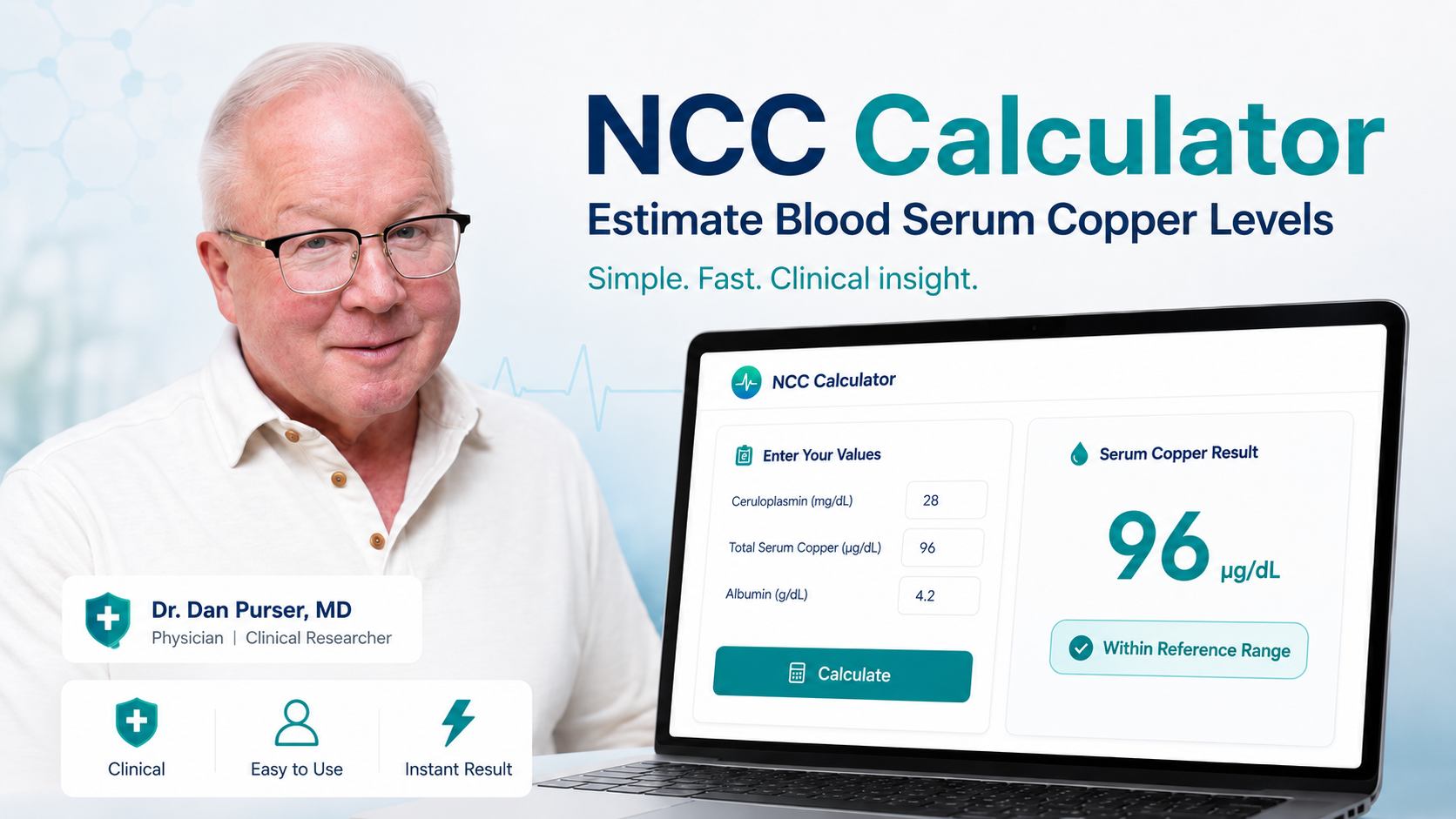
This is the BEST way to look at what your Copper is really doing. Is it getting into the cells, or building up in other places? Let’s see! Non-Ceruloplasmin Copper Calculator Calculate NCC in Seconds Enter zinc, copper, and ceruloplasmin exactly as they appear on a lab report. The calculator converts units, calculates the copper:zinc ratio, and highlights the percent of non-ceruloplasmin-bound copper. Lab Inputs Use the unit dropdowns to match the lab report. The app normalizes everything to µg/dL before calculating. Zinc Required for copper:zinc ratio Total Copper Required for all NCC calcula
Boom boom boom. Oh, I'm on. Okay. [laughter] Hey, this is Dr. Dan Perer. Let's dig into this. Um, this is my autis I've really I've really been worrying about this, thinking about this, pondering this for weeks. Um, and so you're going to h…
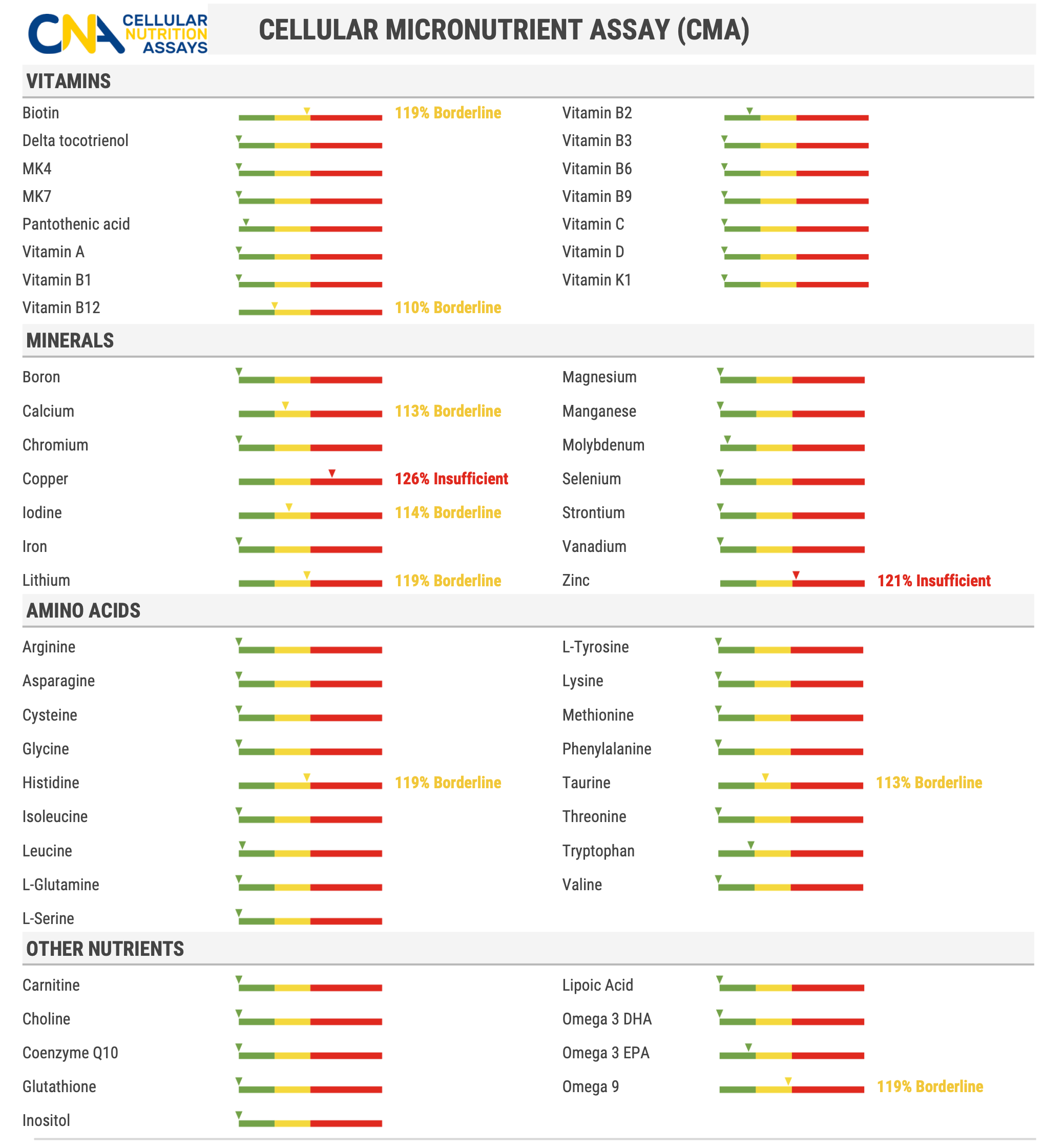
Searchable captionsRead matching passageHello, Jackson Lurin here from Perer Wellness. I just wanted to do a brief introduction or a brief uh explanation about the two pages of our CMA cellular micronutrient assay results. Uh I get this question all the time with my patients and …
Searchable captionsRead matching passageBest match puts all-term matches before partial matches and related reading. Identical social posts and matching long titles across other sources are grouped when access is the same. Search covers published titles, descriptions, available article text, report overviews, and the full text of the nutrient, gene and learning-essential reference pages. Books, uploaded chapters and downloads-page reports are searchable through selected editorial guides and topic names; the original files and full book text are not published. Full Drive reports are not copied into search. Substack subscriber titles and public summaries are included; full subscriber content opens on Substack. Video transcripts are added when available.