The idea to explore
A guide to the report titled 11 Medical Therapies That Have Been Shown to Clean Out Your Arteries.
Follow the connections
The January 2022 companion report discusses coronary calcium scoring, CT angiography, carotid intima-media thickness and stress testing. It lists lipid-lowering medicines, blood-pressure management, thyroid and hormone ideas, glutathione, fasting and other interventions. These are searchable source topics, not a list of endorsed therapies. Ask whether a cited study measured a blood marker, plaque on imaging or fewer cardiovascular events.
A plaque image and a clinical event are different outcomes
The source discusses imaging alongside medicines, supplements and lifestyle ideas. Imaging can describe features of arteries, while a clinical trial may ask whether treatment prevents heart attacks or strokes. Those outcomes are related but not identical. A report of plaque regression needs its own context: the imaging method, study population, comparison group and follow-up period. It should not be converted into a general promise to “clean out” arteries.
Reading with perspective
The title’s “clean out” wording is not a promise of plaque reversal. This overview does not reproduce treatment instructions or imply that a supplement can replace prescribed cardiovascular care.
A question for your next conversation
Does this evidence show a change on imaging, fewer events or both?
BUILD YOUR UNDERSTANDING
A few concepts, made clearer.
LET YOUR CURIOSITY LEAD
One idea opens another.
Choose a subject to find the related teaching across videos, articles, courses and references.
About this reading
11-MEDICAL-THERAPIES-THAT-HAVE-BEEN-SHOWN-TO-CLEAN-OUT-YOUR-ARTERIES-zpam
Educational report listed on danpursermd.com/downloads · 2022.
This page combines an editorial adaptation with introductory explanations and links to the reference library, prepared September 17, 2026. Search covers the published explanations and topic names, not the full original document. Original files, patient examples and individualized protocols are not published here. This adaptation has not received an independent clinical review.
PURSER WELLNESS · PRACTICE & SHOP
Explore your next step.
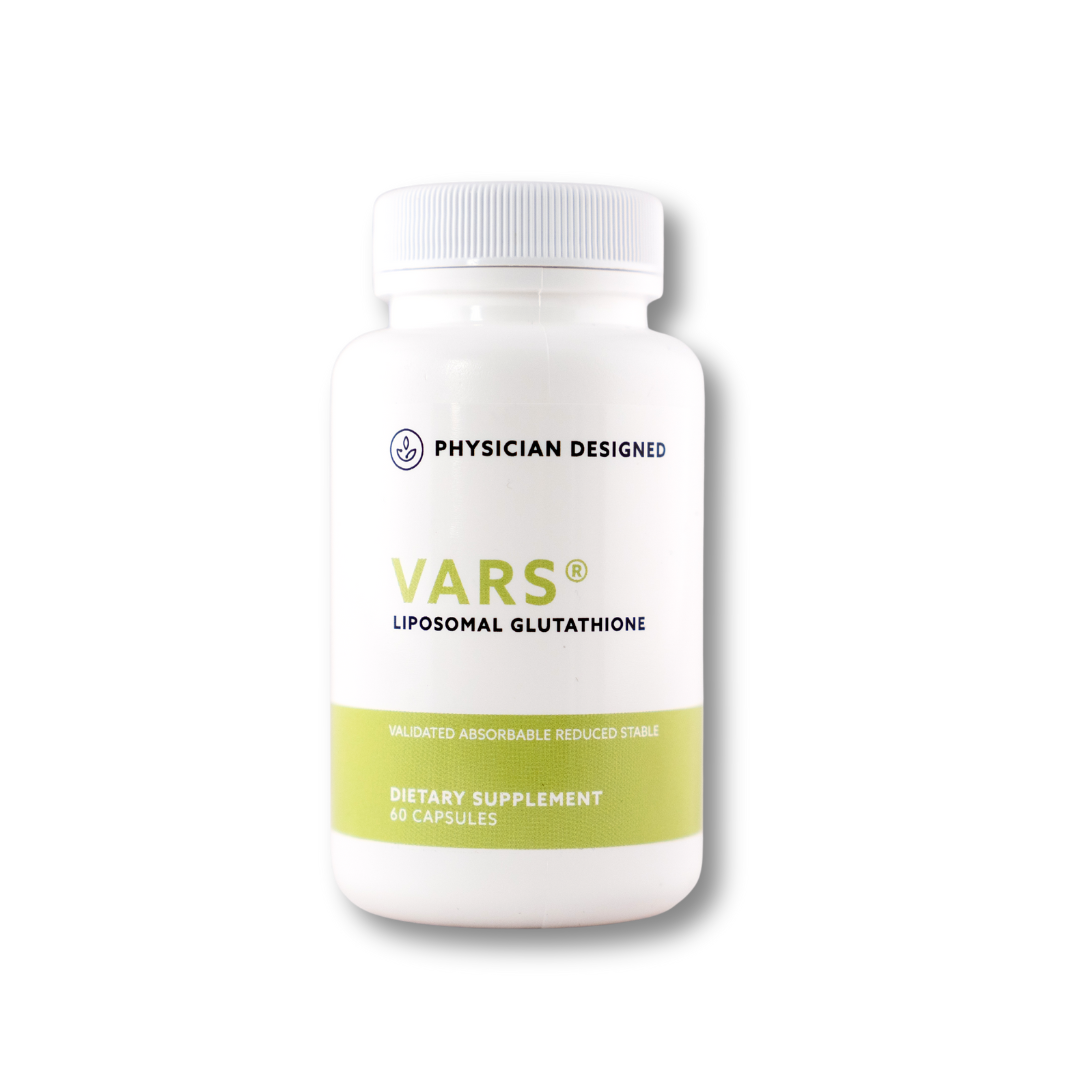 PHYSICIAN DESIGNEDVARS Glutathione CapsulesCapsule product informationView product
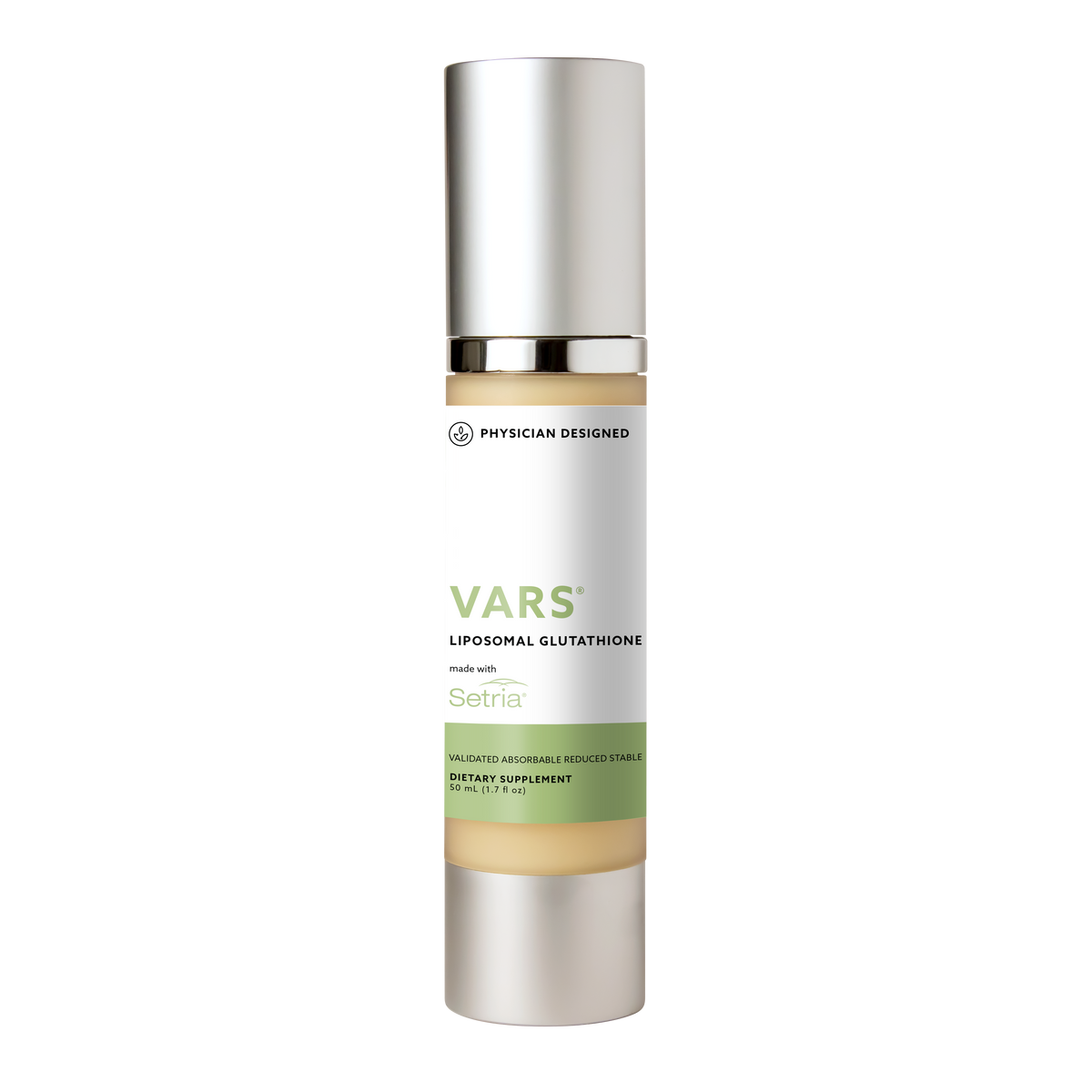 PHYSICIAN DESIGNEDVARS Liposomal GlutathioneLiquid product informationView product
Product and testing details from our practice and shop. Discuss what fits your needs with your clinician. Current labels, availability and pricing are shown on the linked pages.