The idea to explore
This chapter connects genetic variation with the sulfur pathway that appears throughout Dr. Purser’s redox teaching.
Follow the connections
The discussion spans cysteine and glutathione, oxidative stress, mitochondrial function, protein homocysteinylation and inflammatory signaling. It also considers hydrogen sulfide and lipid peroxidation. These topics provide several routes from a gene report into basic pathway education.
Pathway names describe different jobs
Remethylation and transsulfuration are connected, but they are not the same process. The source discusses MTHFR alongside CBS, MTR, MTRR and SHMT1 because these genes participate in a broader metabolic network. A finding in one gene cannot tell you the activity of the entire network. This chapter also introduces homocysteinylation, redox balance and ferroptosis as mechanisms worth studying; those terms should not be read as diagnoses on a consumer genetic report.
Reading with perspective
The source’s gene lists are teaching material, not a validated diagnostic panel. A common variant, even when present in both copies, does not by itself prove a fixed homocysteine elevation, cytokine abnormality or need for a supplement.
A question for your next conversation
Does the genetic finding have a demonstrated effect on the pathway, or is the connection only proposed?
BUILD YOUR UNDERSTANDING
A few concepts, made clearer.
Cysteine
An amino acid used in protein synthesis and other metabolic processes.
Read the full referenceCBS
CBS is the gene symbol used for Cystathionine Beta-Synthase. This page connects its terminology with the topics in the Purser Wellness teaching library.
Read the full referenceMTHFR
Makes an enzyme that helps produce a form of folate used in the processing of homocysteine. Common variants are different from rare variants that cause severe MTHFR deficiency.
Read the full referenceMTR
Makes the methionine synthase enzyme, which uses vitamin B12 in the conversion of homocysteine to methionine.
Read the full referenceLET YOUR CURIOSITY LEAD
One idea opens another.
Choose a subject to find the related teaching across videos, articles, courses and references.
About this reading
Chapter 10: The Impact of Homozygous Genetic SNPs on the Transsulfuration Pathway and Their Role in Toxicology and Inflammation
Homocysteine chapter collection supplied by Purser Wellness.
This page combines an editorial adaptation with introductory explanations and links to the reference library, prepared September 17, 2026. Search covers the published explanations and topic names, not the full original document. Original files, patient examples and individualized protocols are not published here. This adaptation has not received an independent clinical review.
Additional clinical context
MedlinePlus: understanding a homocysteine testMedlinePlus Genetics: interpreting variantsPURSER WELLNESS · PRACTICE & SHOP
Explore your next step.
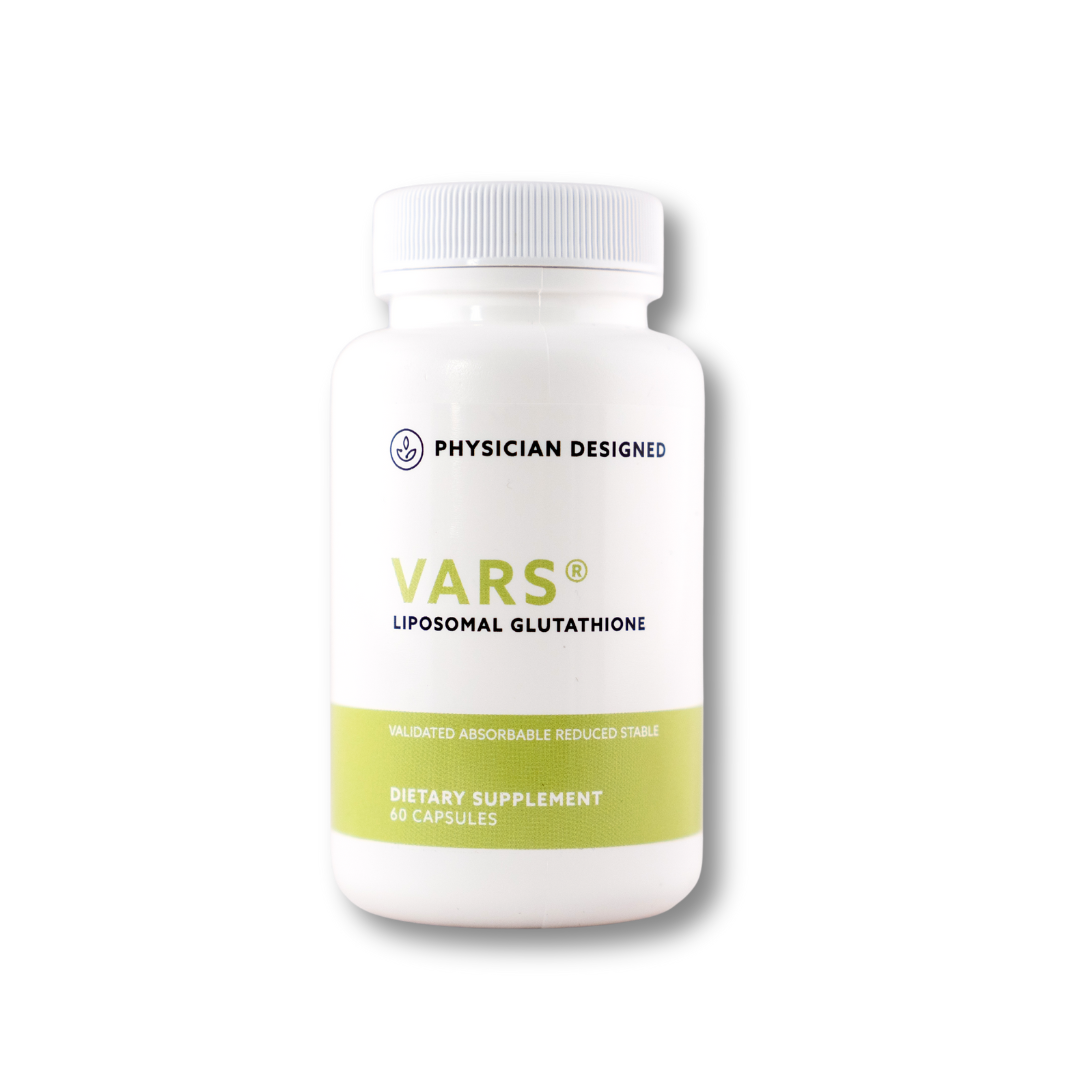 PHYSICIAN DESIGNEDVARS Glutathione CapsulesCapsule product informationView product
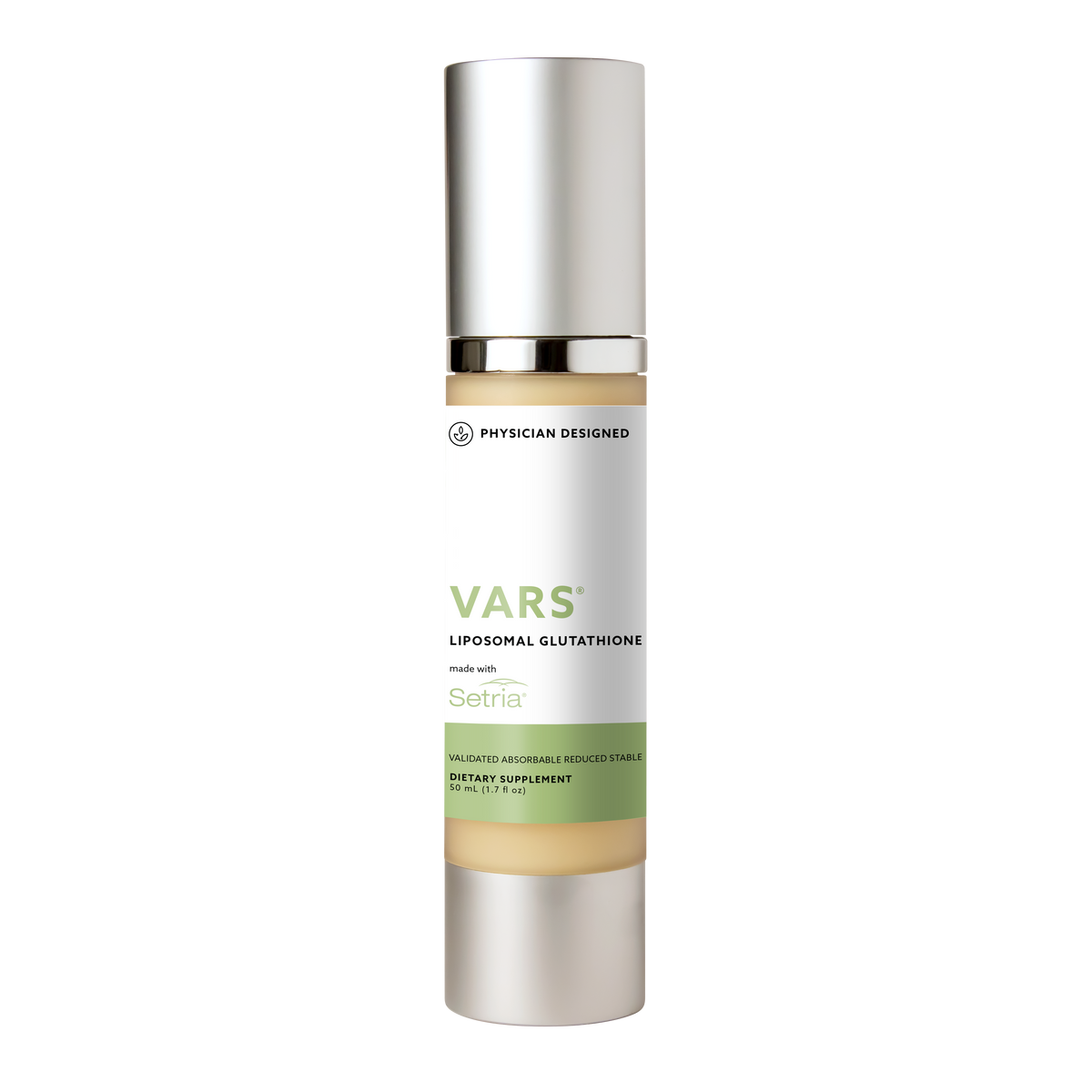 PHYSICIAN DESIGNEDVARS Liposomal GlutathioneLiquid product informationView productTESTING & CONSULTATIONGenetic testing + consultationExplore the available testing bundlesExplore testing
Product and testing details from our practice and shop. Discuss what fits your needs with your clinician. Current labels, availability and pricing are shown on the linked pages.