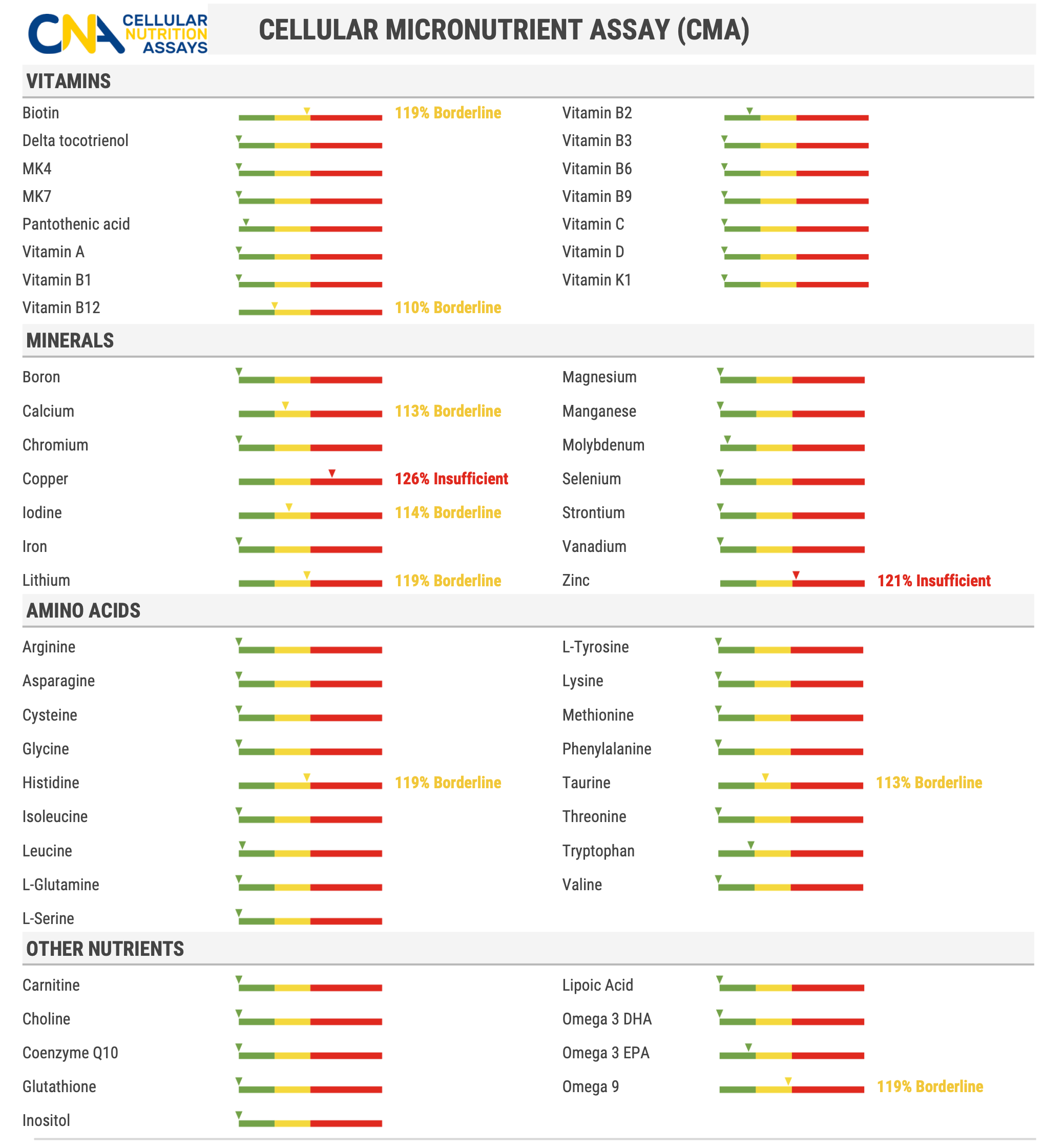
Understanding Your CMA with Redox Results: What Those Two Pages Actually Mean
In the titleIf you’ve had our Cellular Micronutrient Assay (CMA) with Redox testing, chances are you’ve looked at those two pages of results and thought, “Okay... now what does all this actually mean?” You’re not alone. This is one of the questions I hear most often from patients.
Let me walk you through exactly what each page shows, how the test works, and why these results are so powerful for creating a truly personalized plan to help you feel your best.
Understanding Your CMA with Redox Results: What Those Two Pages Actually Mean
In the titleA post from Purser Wellness on Substack, covering inflammation and antioxidants, testing and nutrients.
Why Intracellular CMA Testing Changes Everything
In the titleA post from Purser Wellness on Substack, covering testing and nutrients.
Discovering the Power of CMA Intracellular Nutrient Testing
In the titleYour Path to Personalized Wellness
The Power of CMA Intracellular Micronutrient Testing in Dr Purser’s Protocols
In the titleA post from Purser Wellness on Substack, covering testing and nutrients.
What Intracellular Deficiencies to Look for on a CMA Test
In the titleWe look at Diabetes and Fibromyalgia Specifically in these Examples
What is Intracellular Testing?
In the descriptionIntracellular testing, or the CMA Cellular Micronutrient Assay, measures over 100 vitamins, minerals, amino acids, and antioxidants inside your cells—not just in your blood. Unlike serum tests, which show short-term levels, intracellular testing reveals what your cells have been missing over the last 100 days. Low levels can mean weak enzymes, non-functioning proteins, and accelerated aging. By identifying deficiencies and matching them with the correct nutrient forms for your genetics, you can target fatigue, anxiety, depression, and other chronic issues at the root. Get your CMA by calling o
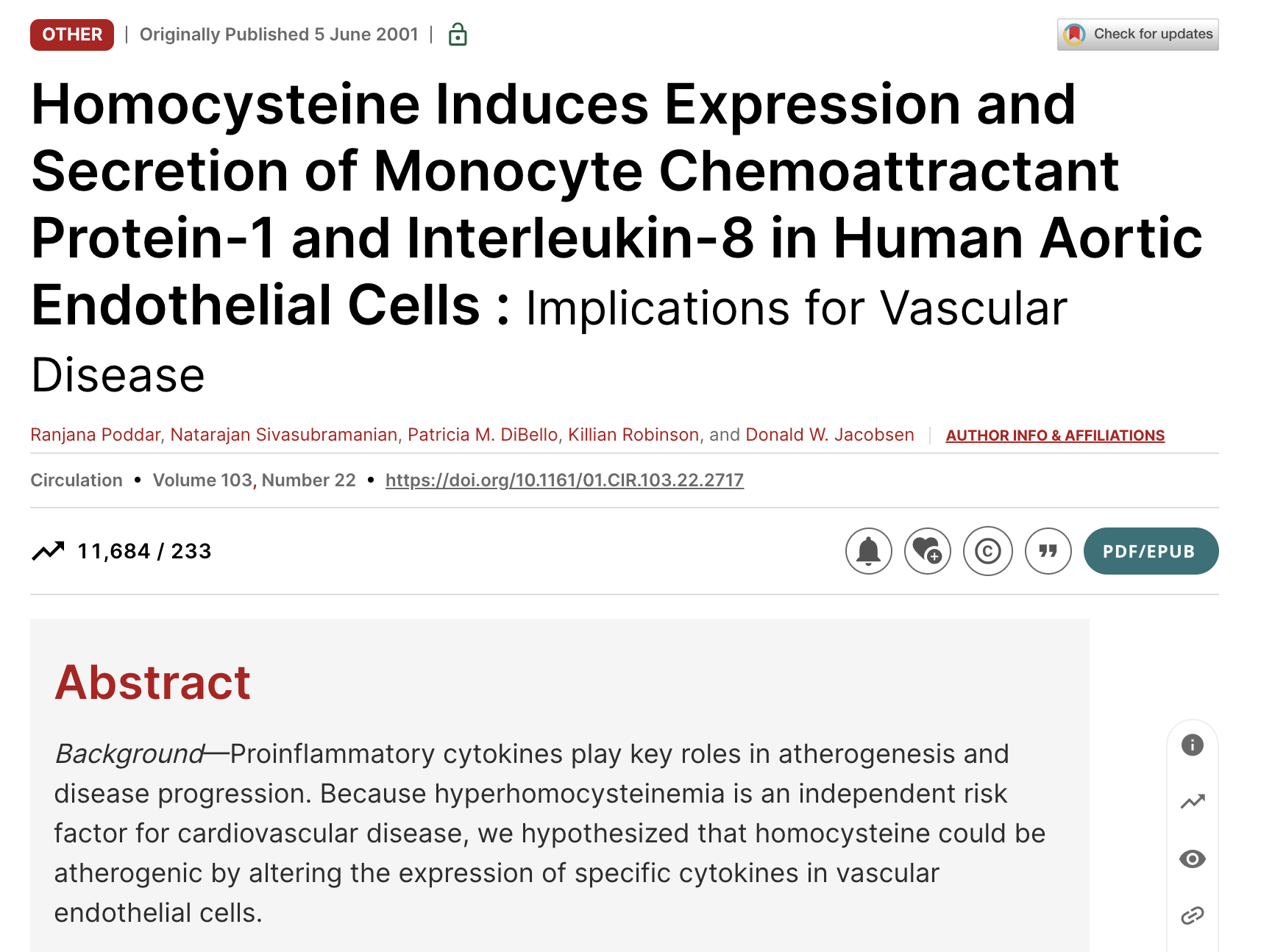
How To Know If You Have High Homocysteine?
In the descriptionHigh homocysteine often shows up first as widespread inflammation—pain all over, poor circulation, or even early warning signs of cardiovascular problems like stroke and heart attack. The best way to know for sure is through testing: a blood test can measure homocysteine directly, while a CMA with Redox uncovers the vitamin deficiencies driving it. For genetic causes, the DRP Genetics panel screens 15–16 of the 17 known SNPs that can cause permanently high homocysteine. If your levels are fixed by genetics, reduced glutathione and targeted B vitamins (like MTHFR Daily) are key to balancing the
Treat Root Cause Symptoms?
In the descriptionTired, foggy, low hormones, and nothing helps? It’s probably not magic—it’s nutrient deficiency. Dr. Purser uses CMA with Redox testing to go deeper than your average doctor ever will. He sees severe lipoic acid, biotin, PQQ, and lithium deficiencies causing symptoms that mimic dementia, thyroid issues, or low testosterone. It’s not “manopause”—it’s vitaminopause. Find the root cause, don’t just chase prescriptions.
Intracellular Vitamin Deficiency Treatment Notes
In the descriptionIf you've had a CMA test, this post is for you.
The Hidden Molecule Driving Inflammation: Understanding the Purser Model of Homocysteine
In the article…rsonalized, science-backed wellness strategies.
Add to cart
CMA Intracellular Micronutrient Test with Redox + Consult with Dr. Purser
$1,224.00
THE MOST COMPREHENSIVE CELLULAR HEALTH TEST DR. PURSER OFFERS
Unlock the deepest look into your …
Intracellular vs. Serum Nutrient Testing: Is More Data Actually Better?
Related readingDan and Jackson discuss serum testing, intracellular nutrient results, REDOX, and the questions each kind of test addresses.
Search covers published titles, descriptions, and available article text. Substack subscriber titles and public summaries are included; full subscriber content opens on Substack. Video transcripts are added when available.