…ut intracellular micronutrients. Yeah. Different than blood serum levels. Yeah, exactly. Yeah, it's completely different technology. It's FDA and health and human service pro it's a health and human services approved technology. We used it …
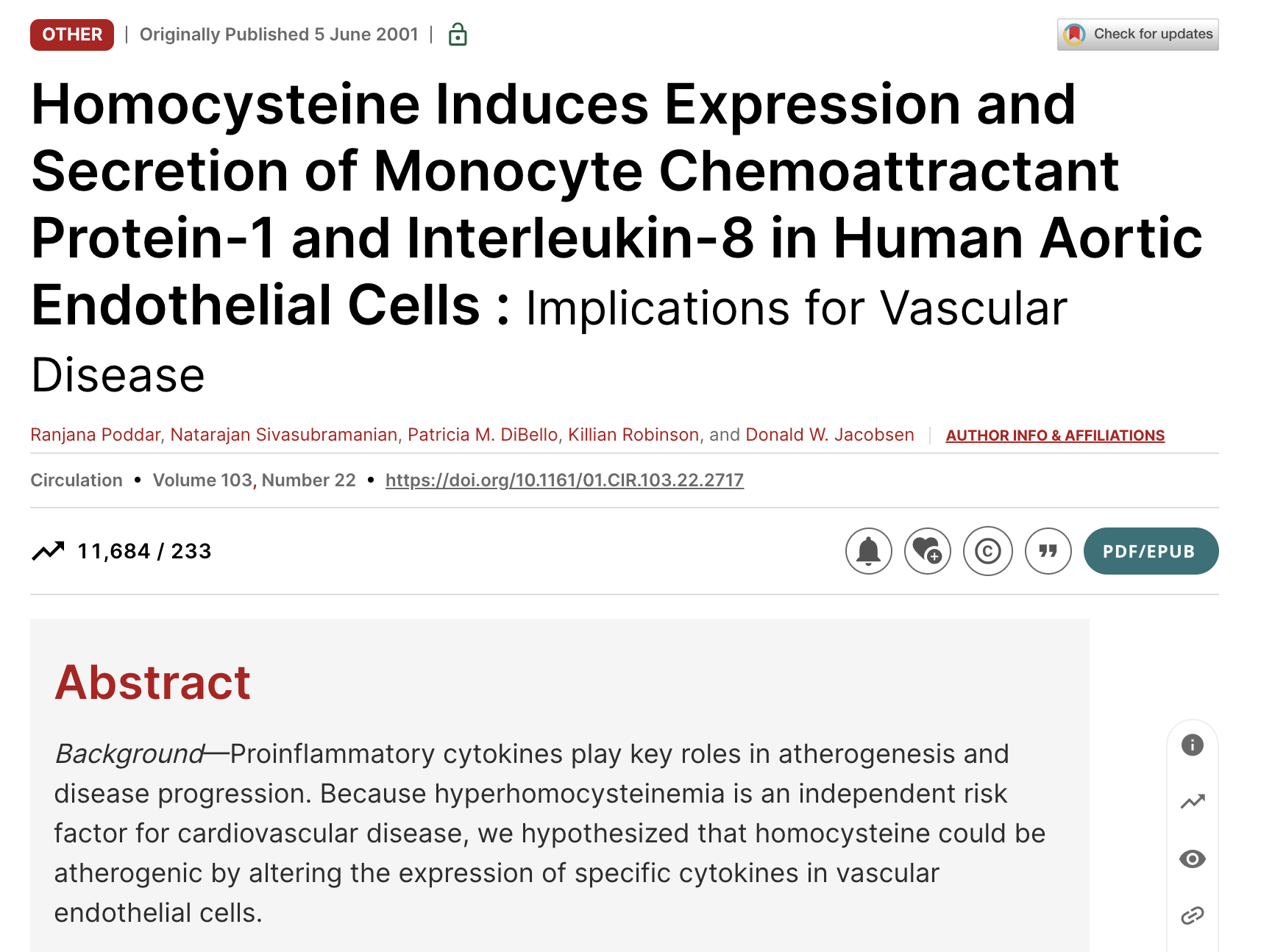
…r homoyine levels checked um really at any clinic or at any lab and uh and that's a good marker to look at. People always want to lower their homoyine levels and Dr. person will say anything below a seven is going to be very healthy homoyin…
…en to patient's symptoms (and treat accordingly), and which labs to get at what time. So, I always tell patients to believe their ‘lying eyes’ (their symptoms are real), and not always the lab results (which can be inaccurate or not interpr…
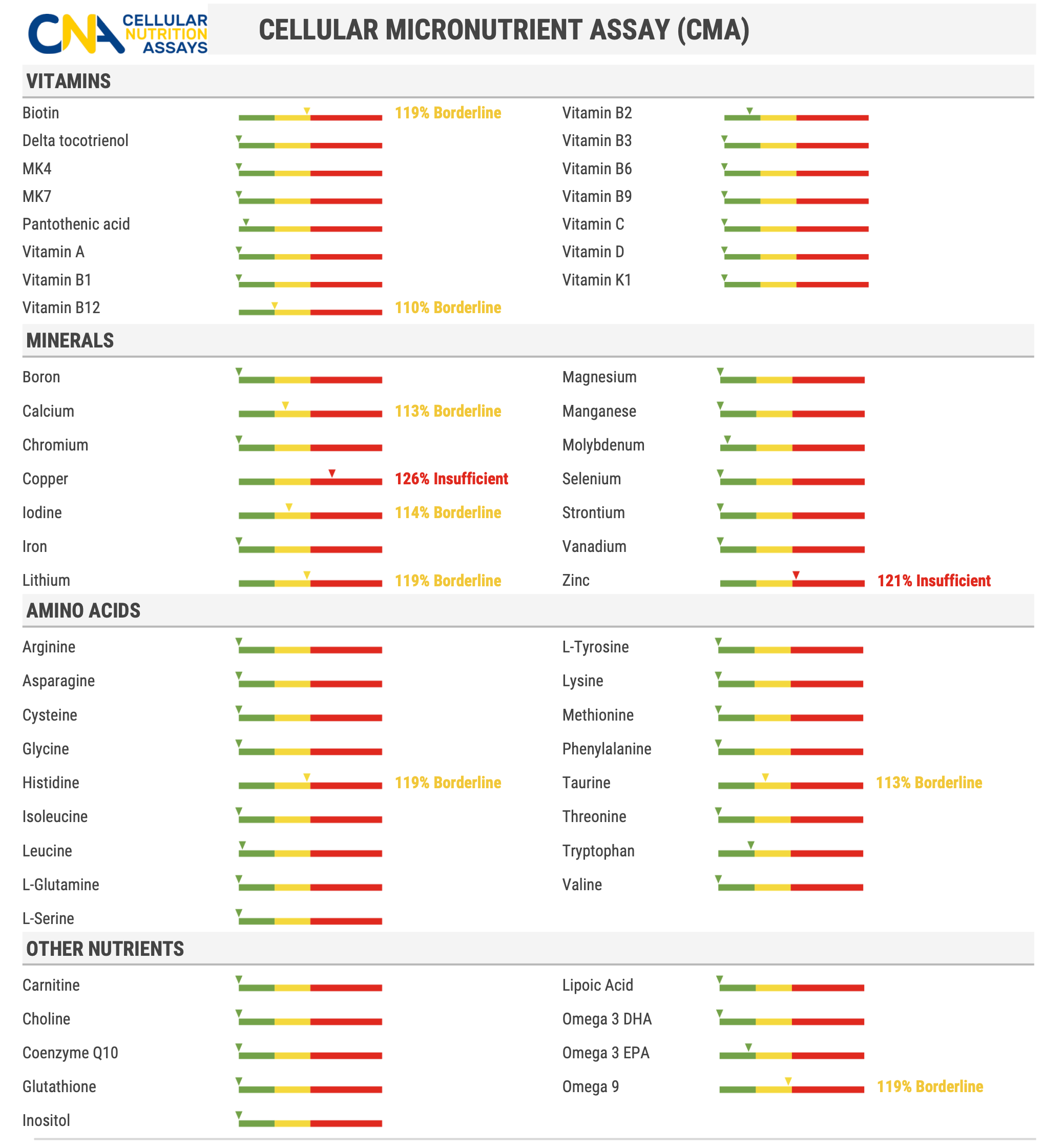
…appens at the cellular level. From a simple blood draw, the lab isolates your white blood cells (specifically lymphocytes). These cells are then individually “fed” a comprehensive panel of nutrients and antioxidants. By measuring how effici…
…roach focuses on root cause physiology rather than isolated lab numbers . Why This Matters Chronic inflammation is now recognized as a driver of many major diseases, including: cardiovascular disease stroke chronic kidney disease neurodegen…
… snack in that caffeine intake increases the stress hormone cortisol. When cortisol floods the body, the pancreas is triggered to produce insulin which quickly brings your blood sugar down, triggering snack cravings. In studies caffeine has…
Intracellular testing, or the CMA Cellular Micronutrient Assay, measures over 100 vitamins, minerals, amino acids, and antioxidants inside your cells—not just in your blood. Unlike serum tests, which show short-term levels, intracellular testing reveals what your cells have been missing over the last 100 days. Low levels can mean weak enzymes, non-functioning proteins, and accelerated aging. By identifying deficiencies and matching them with the correct nutrient forms for your genetics, you can target fatigue, anxiety, depression, and other chronic issues at the root. Get your CMA by calling o
The Purser genetics reference places CHDH in choline metabolism, while the combined SOP asks clinicians to consider CHDH alongside PEMT and FADS findings.
What if the answers you've been searching for aren't found in another prescription—but inside your own cells?
Most lab tests tell you what's circulating in your blood. But what if your cells are telling a different story?
A Cellular Micro
What if everything you’ve been told about PCOS is missing the real culprit?
Homocysteine isn’t just a random lab marker—it may be the hidden thread tying together hormone imbalance, inflammation, and the symptoms so many are struggling to m
Best match puts all-term matches before partial matches and related reading. Identical social posts and matching long titles across other sources are grouped when access is the same. Search covers published titles, descriptions, available article text, report overviews, and the full text of the nutrient, gene and learning-essential reference pages. Books, uploaded chapters and downloads-page reports are searchable through selected editorial guides and topic names; the original files and full book text are not published. Full Drive reports are not copied into search. Substack subscriber titles and public summaries are included; full subscriber content opens on Substack. Video transcripts are added when available.