Genetic variants / SNP findings — lab reference
Some search terms matchedClassify by evidence, zygosity, phenotype, and clinical actionability rather than a numeric range.
THE PURSER WELLNESS LIBRARY
385 discoveries for your curiosity7 matching listings grouped; alternative sources stay available.
What’s searchable?Classify by evidence, zygosity, phenotype, and clinical actionability rather than a numeric range.
Learn what common blood, urine, and hormone tests are used to investigate.
Could an overlooked lab marker be providing valuable insight into your health? Understanding your homocysteine level may help you and your healthcare provider identify opportunities to support cardiovascular health, healthy methylation, an
What if one overlooked lab marker is telling you more about your health than you realize? Most people have never heard of homocysteine. Yet when homocysteine levels are elevated, it may signal that critical pathways involving methylation,
👋 Ever stared at your lab results and thought, “What am I even looking at here?” We hear that all the time with our CMA with Redox testing. Patients get TWO pages of results, and without a clear explanation it can feel overwhelming. In th
🚨 High homocysteine isn’t just a lab number—it’s a warning sign. Genes like MTHFR, MTR, MTRR, and GGH can overactivate the methylation cycle and lead to hyperhomocysteinemia, which drives inflammation, stroke risk, and even kidney failure.
This test result is bad and could indicate an infection, especially viral. This is a great test for those with A1298C and especially who are Homozygous A1298C. Neopterin is bad while biopterin is good. If neopterin is repeatedly high, the BH4 is low. Neopterin is a sensitive marker of cellular mediated immunity. Reduced levels reflect cellular immunity weakening. Increased neopterin occur with infectious, inflammatory, immune system dysfunction or neoplastic disease evolution. Excessive neopterin negatively impacts the Nitric Oxide pathway in the body (e.g. excessive peroxynitrite formation an
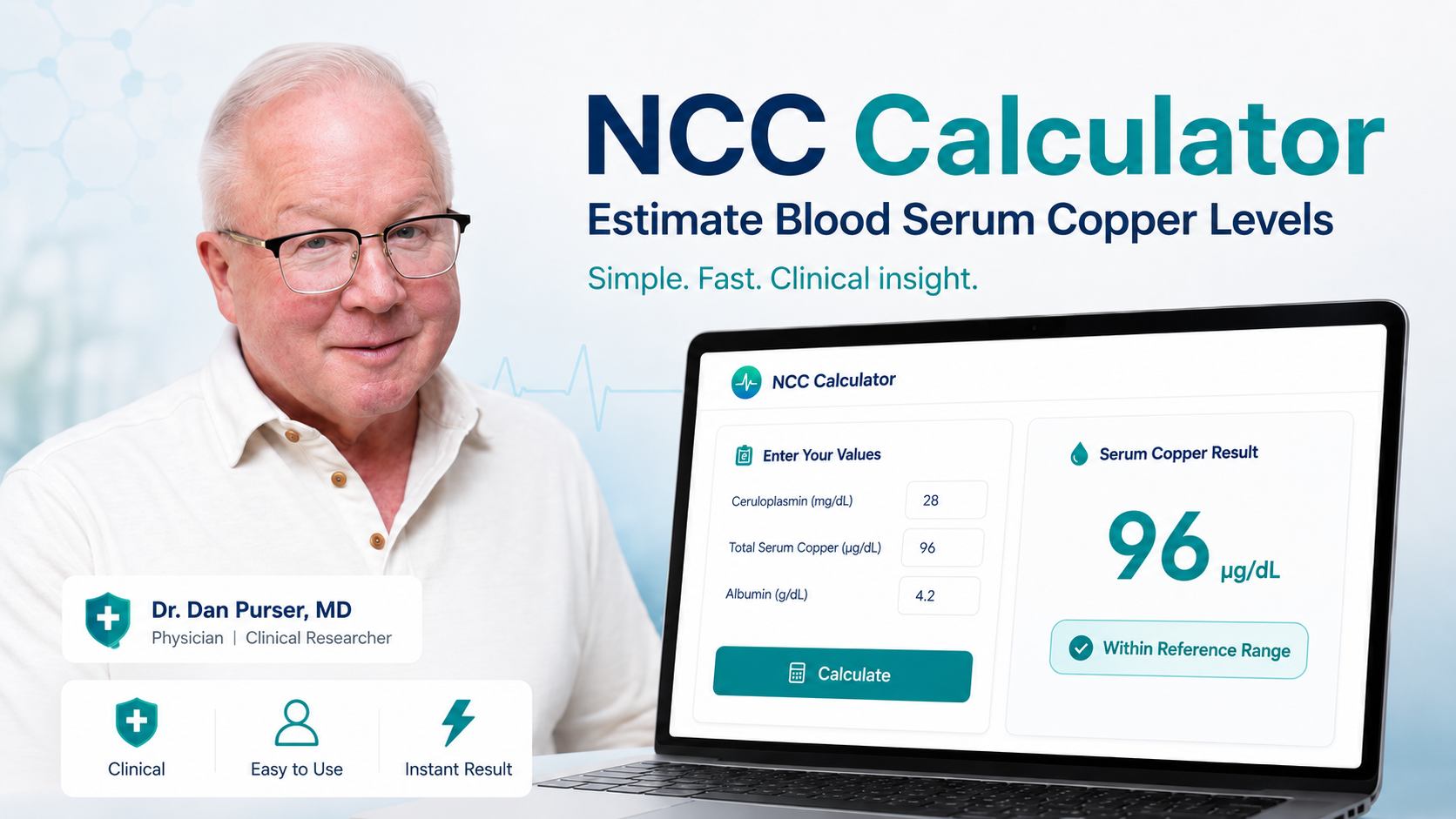
This is the BEST way to look at what your Copper is really doing. Is it getting into the cells, or building up in other places? Let’s see! Non-Ceruloplasmin Copper Calculator Calculate NCC in Seconds Enter zinc, copper, and ceruloplasmin exactly as they appear on a lab report. The calculator converts units, calculates the copper:zinc ratio, and highlights the percent of non-ceruloplasmin-bound copper. Lab Inputs Use the unit dropdowns to match the lab report. The app normalizes everything to µg/dL before calculating. Zinc Required for copper:zinc ratio Total Copper Required for all NCC calcula
The older Purser genetics reference uses the heading “DAOA (AOC1)” in its gut section.
What if the answers you've been searching for aren't found in another prescription—but inside your own cells? Most lab tests tell you what's circulating in your blood. But what if your cells are telling a different story? A Cellular Micro
What if everything you’ve been told about PCOS is missing the real culprit? Homocysteine isn’t just a random lab marker—it may be the hidden thread tying together hormone imbalance, inflammation, and the symptoms so many are struggling to m
Best match puts all-term matches before partial matches and related reading. Identical social posts and matching long titles across other sources are grouped when access is the same. Search covers published titles, descriptions, available article text, report overviews, and the full text of the nutrient, gene and learning-essential reference pages. Books, uploaded chapters and downloads-page reports are searchable through selected editorial guides and topic names; the original files and full book text are not published. Full Drive reports are not copied into search. Substack subscriber titles and public summaries are included; full subscriber content opens on Substack. Video transcripts are added when available.