Life Extension® Neuro-Mag® (Magnesium L-Threonate) Product Review
My patient population is aging and concerned about memory loss. They are in a constant state of wonder about how to prevent those issues, and I have recently found an answer. Magnesium L-Threonate. It crosses the blood brain barrier and improves memory in a natural way. Magnesium L-Threonate is available today for everyone, young and old, who wants to be sharp, clear, and focused. I was looking into research on magnesium and the brain, when I ran into the MIT study published in 2010 showing Magnesium L-Threonate is the only form of magnesium to cross the blood-brain barrier and show observable
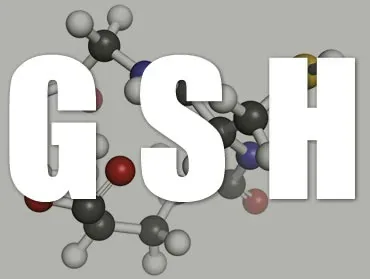
The Only Usable Form of Glutathione Is Reduced Glutathione (GSH)!
This will be the first of many articles on glutathione, especially the reduced glutathione form known as GSH – the ideal glutathione or GSH product is reduced (GSH), stable, absorbable, efficacious, and patent-able. Glutathione is the body’s master antioxidant. Our bodies depend on GSH for the removal of toxins and GSH is at the heart of all immune functions. Glutathione is a tripeptide (L-glutamic acid, L-cysteine, and Glycine) that is known as the most prominent nonenzymatic antioxidant in the human body, and is a substrate of a regulatory system of enzymes involved in regulating glutathione
GMO vs non-GMO
Some people become upset if they believe to be consuming GMO products. But what does GMO actually mean? GMO stands for “genetically modified organism ” which can also be said legally as a “living modified organism” or LMO. Usually this is not a problem, however, when it comes to digestion it can be a big issue for a lot of people. This can cause gut and digestion problems among other issues . 10 Reasons to Avoid GMO vs non-gmo 1. GMOs are unhealthy. The American Academy of Environmental Medicine (AAEM) urges doctors to prescribe non-GMO diets for all patients. They cite animal studies showing
Fasting plasma glucose — lab reference
Normal <100; prediabetes 100-125; diabetes ≥126 on confirmatory testing unless unequivocal hyperglycemia.
Random plasma glucose — lab reference
Diabetes may be diagnosed at ≥200 with classic symptoms or hyperglycemic crisis.
2-hour glucose, 75 g OGTT — lab reference
Normal <140; prediabetes 140-199; diabetes ≥200.
Hemoglobin A1C — lab reference
Normal <5.7; prediabetes 5.7-6.4; diabetes ≥6.5. Altered RBC turnover can make A1C unreliable.
Fasting insulin — lab reference
No universal reference or treatment target. Standardize fasting duration and collection time.
Beta-hydroxybutyrate — lab reference
Fasting, ketogenic diets, illness, and diabetes context materially affect interpretation.
Glucose, urine — lab reference
Renal threshold, SGLT2 inhibitors, pregnancy, and hyperglycemia matter.
Understanding homocysteine and its pathways
See the two main routes for processing homocysteine and what may affect a blood result.
Nutrition and unexpectedly low homocysteine
Explore why a low homocysteine number does not tell the whole nutrition story.
About search coverage
Search looks for your words in titles, descriptions, available articles, learning guides, and video captions when available. The closest matches appear first. Duplicate posts are grouped, with links to other places you can read or watch them. Books, chapters, and reports have topic guides here; the original files and full book text are not available in this encyclopedia. Subscriber posts include a title and public summary; open Substack to read the full post.