The idea to explore
Explore the chapter’s hypothesis that nutritional status can complicate interpretation of a low homocysteine result.
Follow the connections
The source discusses protein and methionine intake, B-vitamin cofactors, choline, betaine and absorption. It asks readers to consider the broader nutritional picture rather than equating a lower number with better health.
A low number is not a complete nutrition assessment
This chapter asks whether an apparently reassuring laboratory number can hide a nutritional problem. That is a useful question, but the proposed answer must be tested rather than assumed. Protein intake, absorption, medicines, other laboratory findings and the reason for testing all contribute to interpretation. A low homocysteine result is not a direct measurement of protein intake, glutathione production or every B-vitamin level. In particular, the usual association of B12 or folate deficiency is with higher homocysteine.
Reading with perspective
The chapter’s broad claim that B-vitamin deficiencies suppress homocysteine needs qualification: B12, folate and B6 deficiencies commonly raise it. A low result alone does not diagnose malnutrition or confirm the proposed masking mechanism. See the linked MedlinePlus explanation.
A question for your next conversation
Which specific nutritional concern are we trying to confirm, and what test or history would address it?
BUILD YOUR UNDERSTANDING
A few concepts, made clearer.
Choline
Contributes to cell membranes, acetylcholine and transport of fats from the liver.
Read the full referenceL-Methionine
An amino acid used in protein synthesis and other metabolic processes.
Read the full referenceVitamin B12 (Cobalamin)
Needed for nerve function, DNA production and healthy red blood cells.
Read the full referenceVitamin B9 (Folate)
Supports DNA synthesis and one-carbon metabolism, including the pathway that processes homocysteine.
Read the full referenceLET YOUR CURIOSITY LEAD
One idea opens another.
Choose a subject to find the related teaching across videos, articles, courses and references.
About this reading
Chapter 4: Nutritional Deficiencies and Their Impact on Artificially Suppressed Homocysteine Levels
Homocysteine chapter collection supplied by Purser Wellness.
This page combines an editorial adaptation with introductory explanations and links to the reference library, prepared September 17, 2026. Search covers the published explanations and topic names, not the full original document. Original files, patient examples and individualized protocols are not published here. This adaptation has not received an independent clinical review.
Additional clinical context
MedlinePlus: understanding a homocysteine testPURSER WELLNESS · PRACTICE & SHOP
Explore your next step.
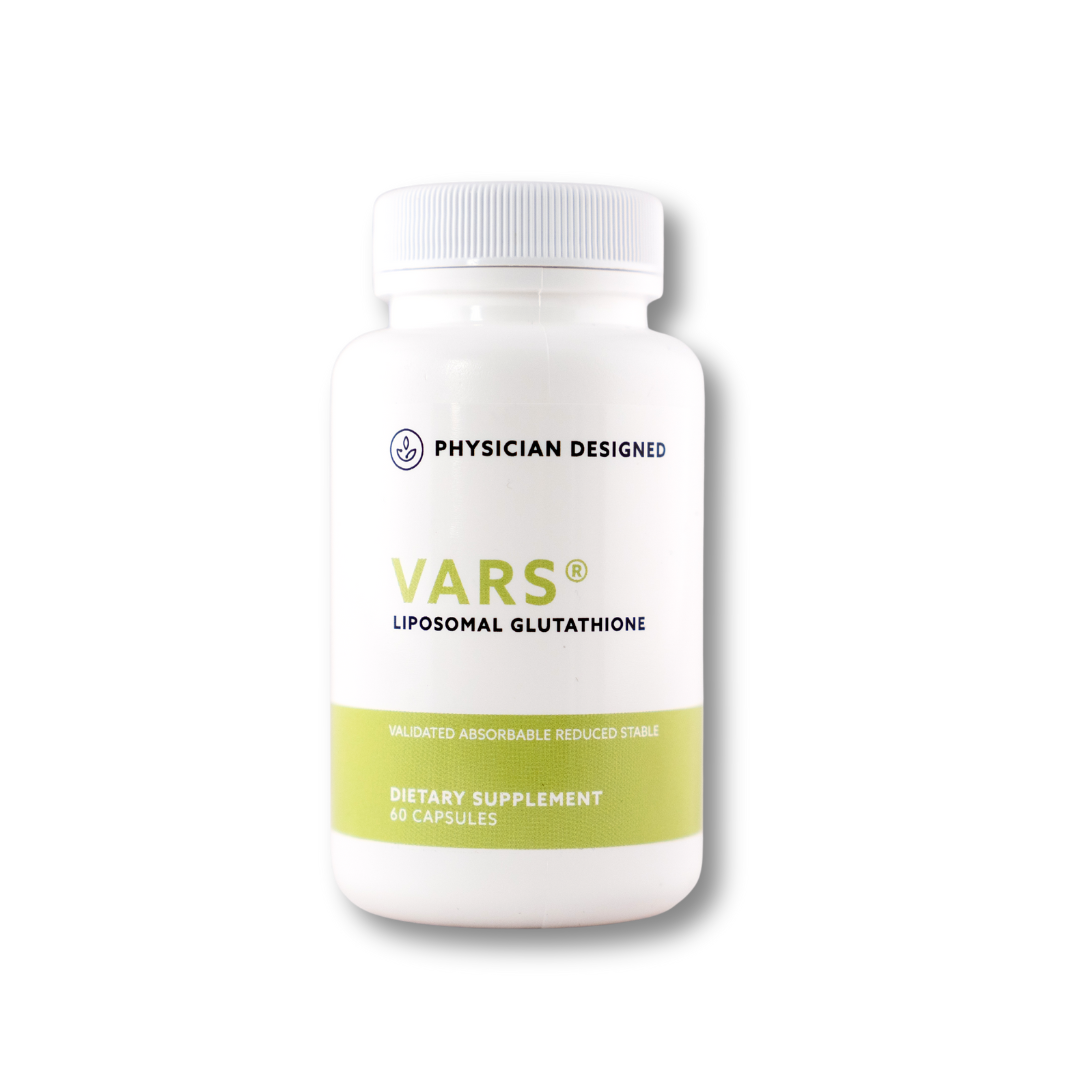 PHYSICIAN DESIGNEDVARS Glutathione CapsulesCapsule product informationView product
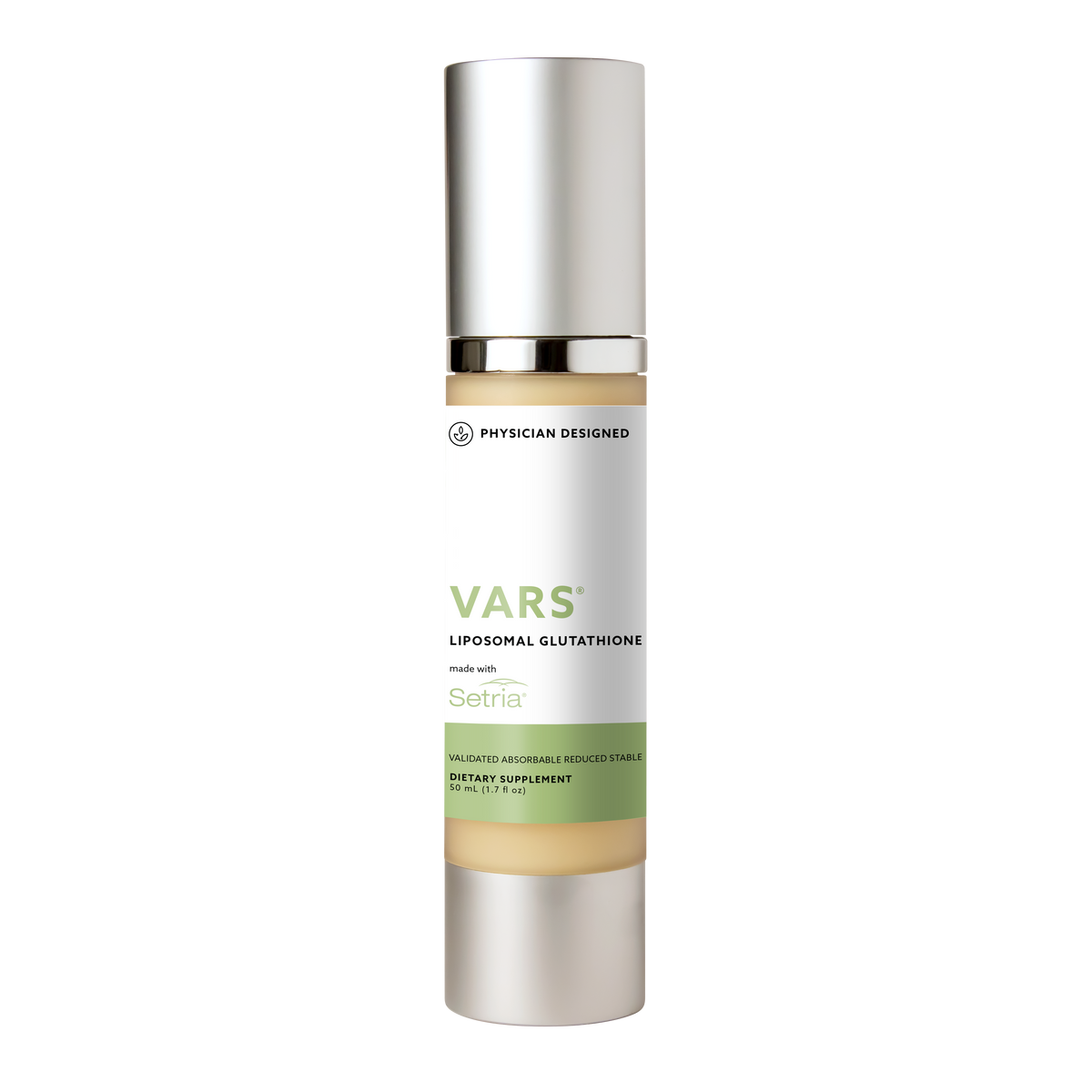 PHYSICIAN DESIGNEDVARS Liposomal GlutathioneLiquid product informationView productTESTING & CONSULTATIONGenetic testing + consultationExplore the available testing bundlesExplore testing
Product and testing details from our practice and shop. Discuss what fits your needs with your clinician. Current labels, availability and pricing are shown on the linked pages.