The idea to explore
This chapter places environmental exposures alongside genetics, sulfur metabolism and inflammatory markers.
Follow the connections
Lead, mercury, arsenic and organophosphate exposure are discussed as possible influences on the pathways in the author’s model. The source connects these topics with glutathione and laboratory interpretation. Consider exposure history and the appropriateness of a test before assuming a pathway discussion identifies toxicity.
Exposure is a separate question from susceptibility
The chapter brings genetics and toxicants into one model, but they describe different things. Susceptibility is a possible tendency to respond differently; exposure is contact with a substance. A gene result does not establish that an exposure occurred. The source’s discussion of lead, mercury, arsenic and organophosphates therefore needs an exposure history and suitable testing before it can inform a real clinical question. A theoretical antioxidant connection is not proof of poisoning or proof that a detoxification product is needed.
Reading with perspective
A genetic result or cytokine level does not establish poisoning. This guide does not reproduce detoxification protocols or recommend chelation. Suspected exposure requires an appropriate clinical assessment.
A question for your next conversation
Is there an identifiable exposure, and is the proposed test appropriate for that substance?
BUILD YOUR UNDERSTANDING
A few concepts, made clearer.
LET YOUR CURIOSITY LEAD
One idea opens another.
Choose a subject to find the related teaching across videos, articles, courses and references.
About this reading
Chapter 14: Homocysteine Elevation, Inflammatory Markers, Transsulfuration Pathway Disruption, and Toxicant Exposures in Genetic Hyperhomocysteinemia
Homocysteine chapter collection supplied by Purser Wellness.
This page combines an editorial adaptation with introductory explanations and links to the reference library, prepared September 17, 2026. Search covers the published explanations and topic names, not the full original document. Original files, patient examples and individualized protocols are not published here. This adaptation has not received an independent clinical review.
Additional clinical context
MedlinePlus: understanding a homocysteine testPURSER WELLNESS · PRACTICE & SHOP
Explore your next step.
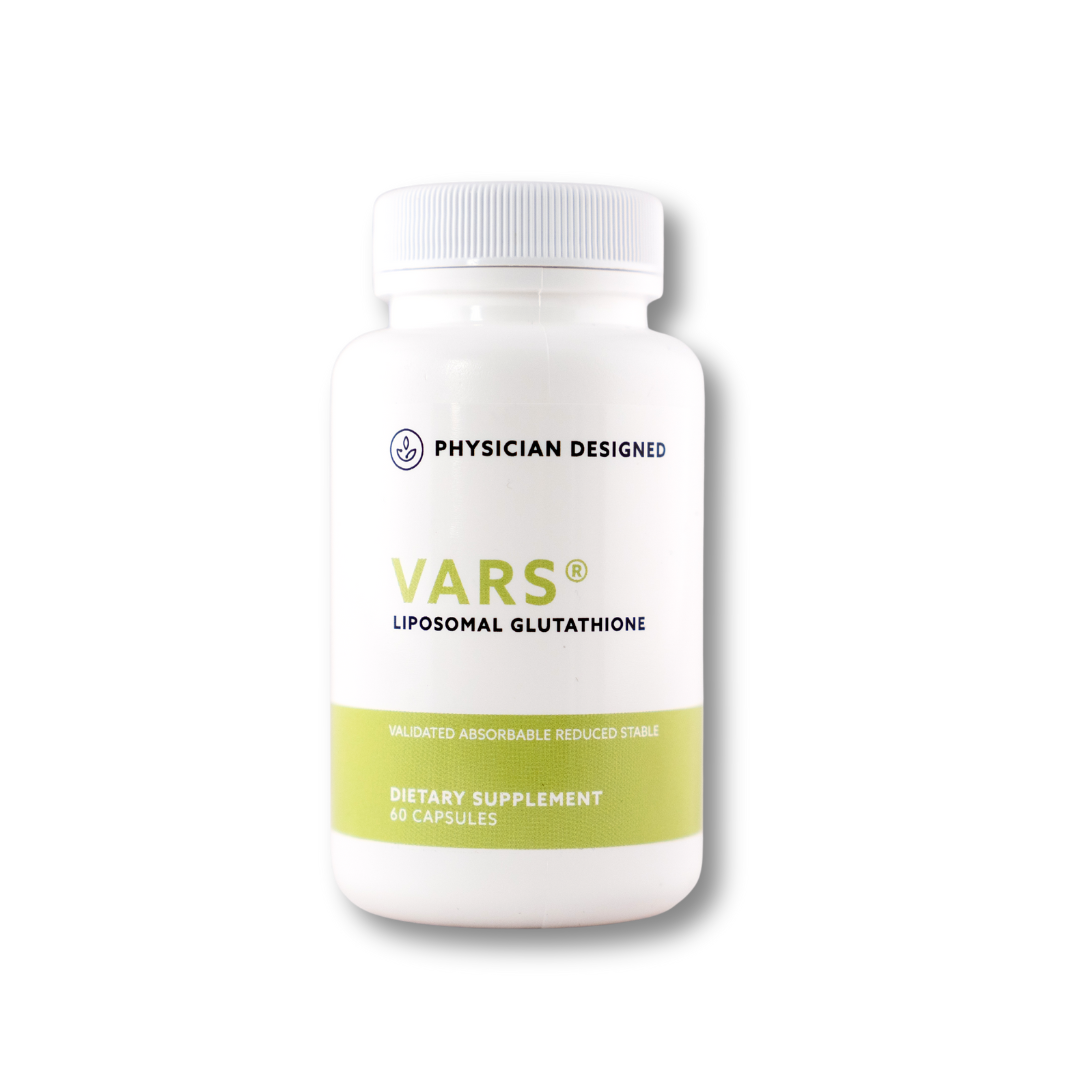 PHYSICIAN DESIGNEDVARS Glutathione CapsulesCapsule product informationView product
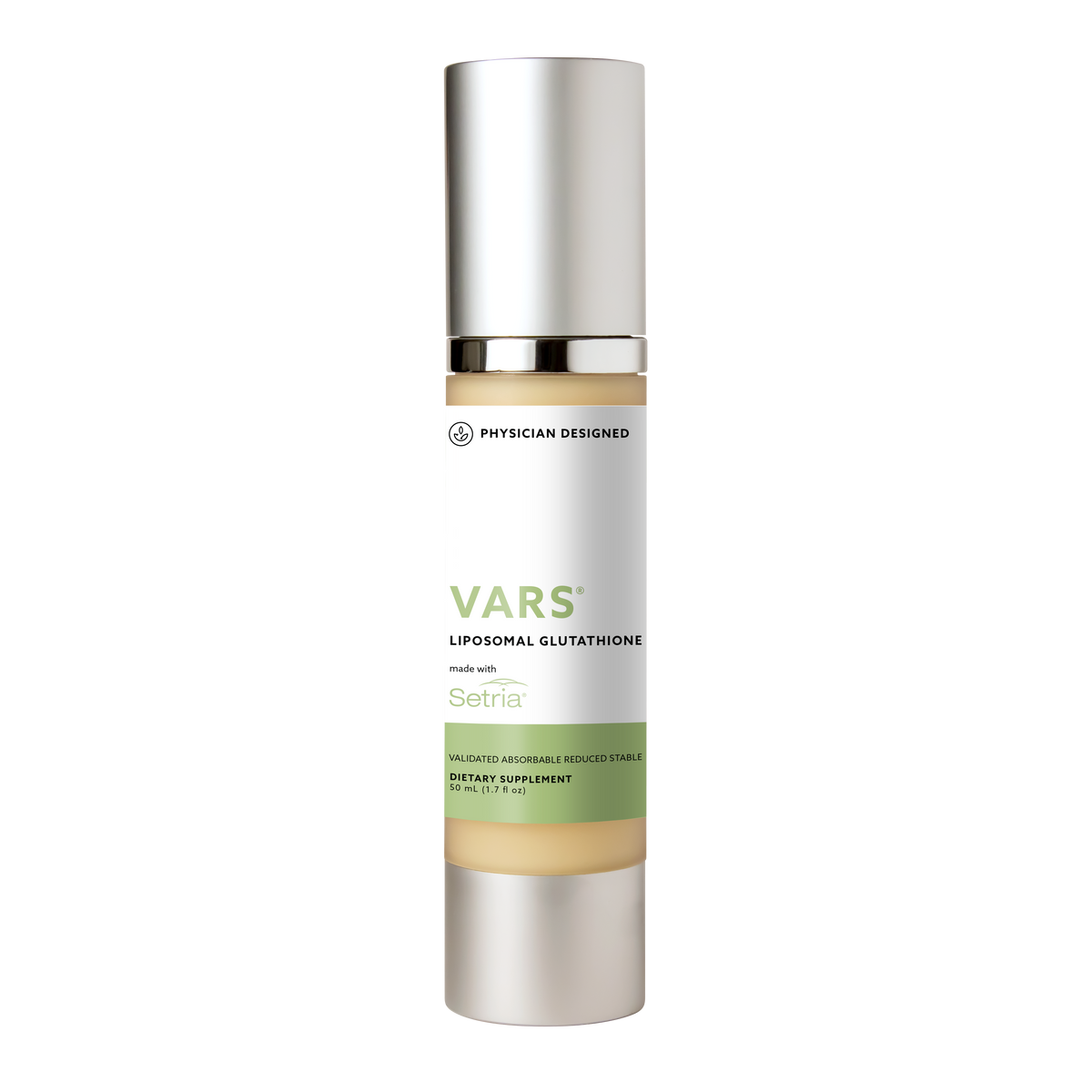 PHYSICIAN DESIGNEDVARS Liposomal GlutathioneLiquid product informationView productTESTING & CONSULTATIONGenetic testing + consultationExplore the available testing bundlesExplore testing
Product and testing details from our practice and shop. Discuss what fits your needs with your clinician. Current labels, availability and pricing are shown on the linked pages.