THE TEACHING CONNECTION
Follow sulfur from homocysteine toward cysteine, then see how cysteine contributes to glutathione.
Two directions from homocysteine
Homocysteine can be recycled to methionine through remethylation or enter transsulfuration toward cysteine. The folate/B12 route and the choline/betaine route shown above belong to remethylation. CBS and CTH form the central transsulfuration sequence. This distinction helps explain why folate, B12, B6 and amino acids are related but do not all perform the same job.
How Dr. Purser connects the pathway
Dr. Purser brings this pathway into his homocysteine, genetics and antioxidant teaching. He considers the inherited pathway picture alongside current homocysteine, nutrient findings, symptoms, medicines and tolerance. Cysteine availability, glutathione production, antioxidant use and recycling are connected questions rather than interchangeable test results.
Where the VARS Triad and MTHFR Daily fit
In Dr. Purser’s treatment framework, the VARS Triad—VARS Glutathione, VARS SOD and VARS Catalase—together with MTHFR Daily is a central consideration when homocysteine or cytokine issues are involved. He emphasizes VARS Glutathione as a foundational functional-support component across his genetic SNP teaching. The individual gene lesson explains how its pathway connects to that broader approach.
This describes the Purser treatment model, not proof that a product corrects a variant or treats every associated condition. Product choice, formulation, sequence and amount depend on the individual assessment, existing medicines, current findings and tolerance.
Reading the map alongside your results
A common SNP does not prove that an enzyme is blocked, absent or working too fast. The map does not calculate pathway flow or select a supplement dose. Use the linked gene and nutrient lessons to understand the terms, then compare your actual findings with your clinician.
Names you may see
Transsulfuration · Transsulphuration · Sulfur pathway · Cysteine synthesis · Glutathione synthesis · CBS pathway · CTH pathway
PURSER WELLNESS · PRACTICE & SHOP
Explore your next step.
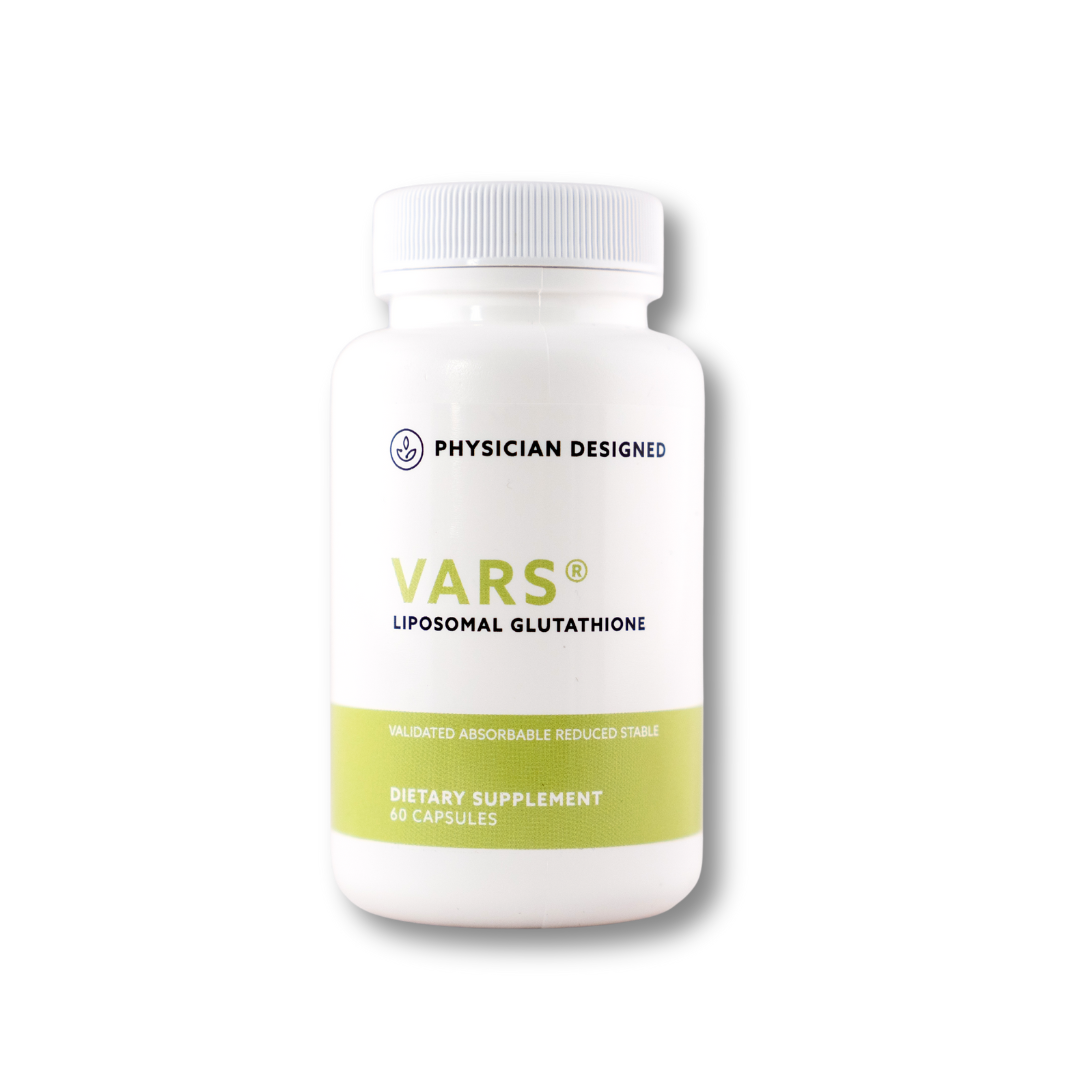 PHYSICIAN DESIGNEDVARS Glutathione CapsulesCapsule product informationView product
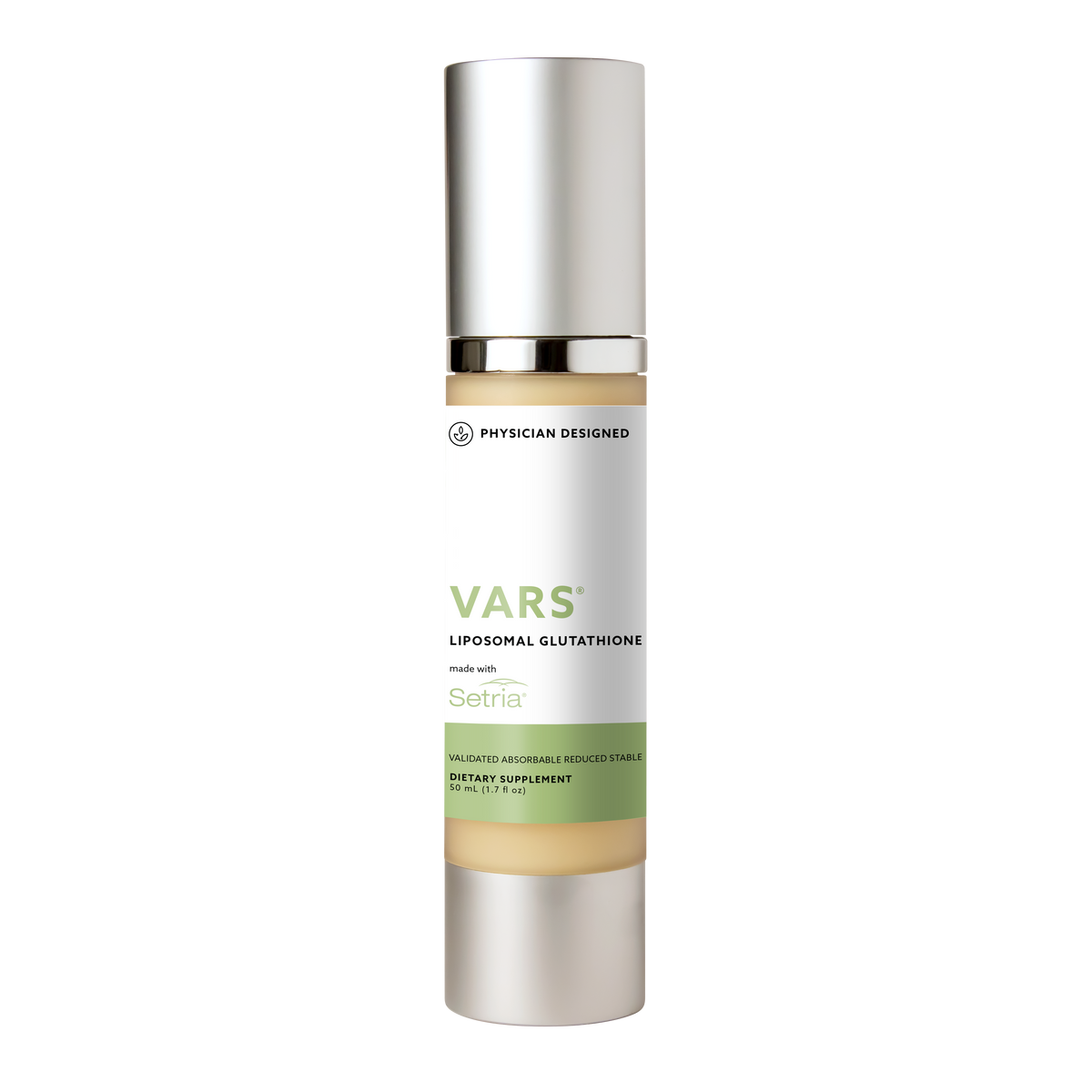 PHYSICIAN DESIGNEDVARS Liposomal GlutathioneLiquid product informationView product
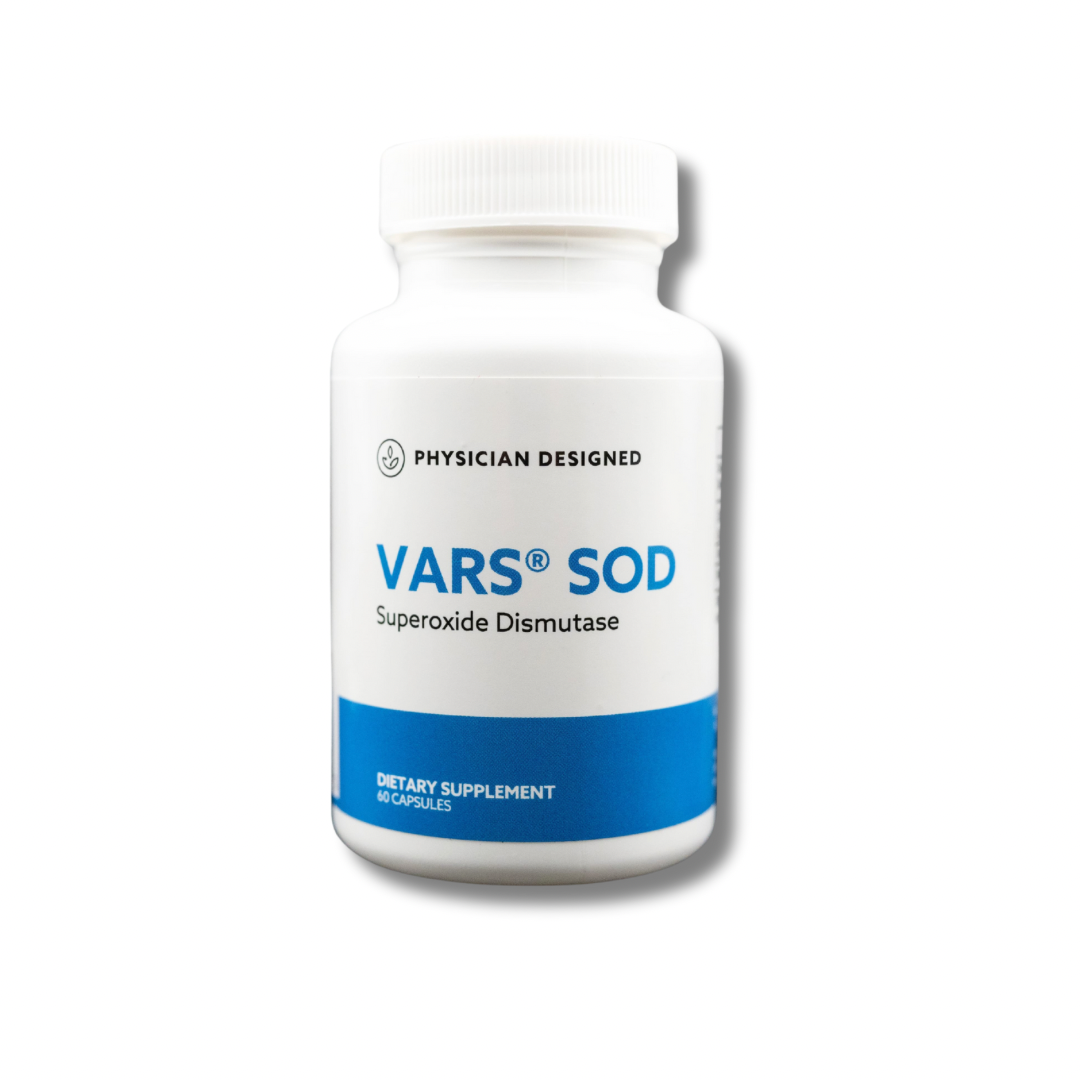 PHYSICIAN DESIGNEDVARS SODFormerly SOD BoosterView product
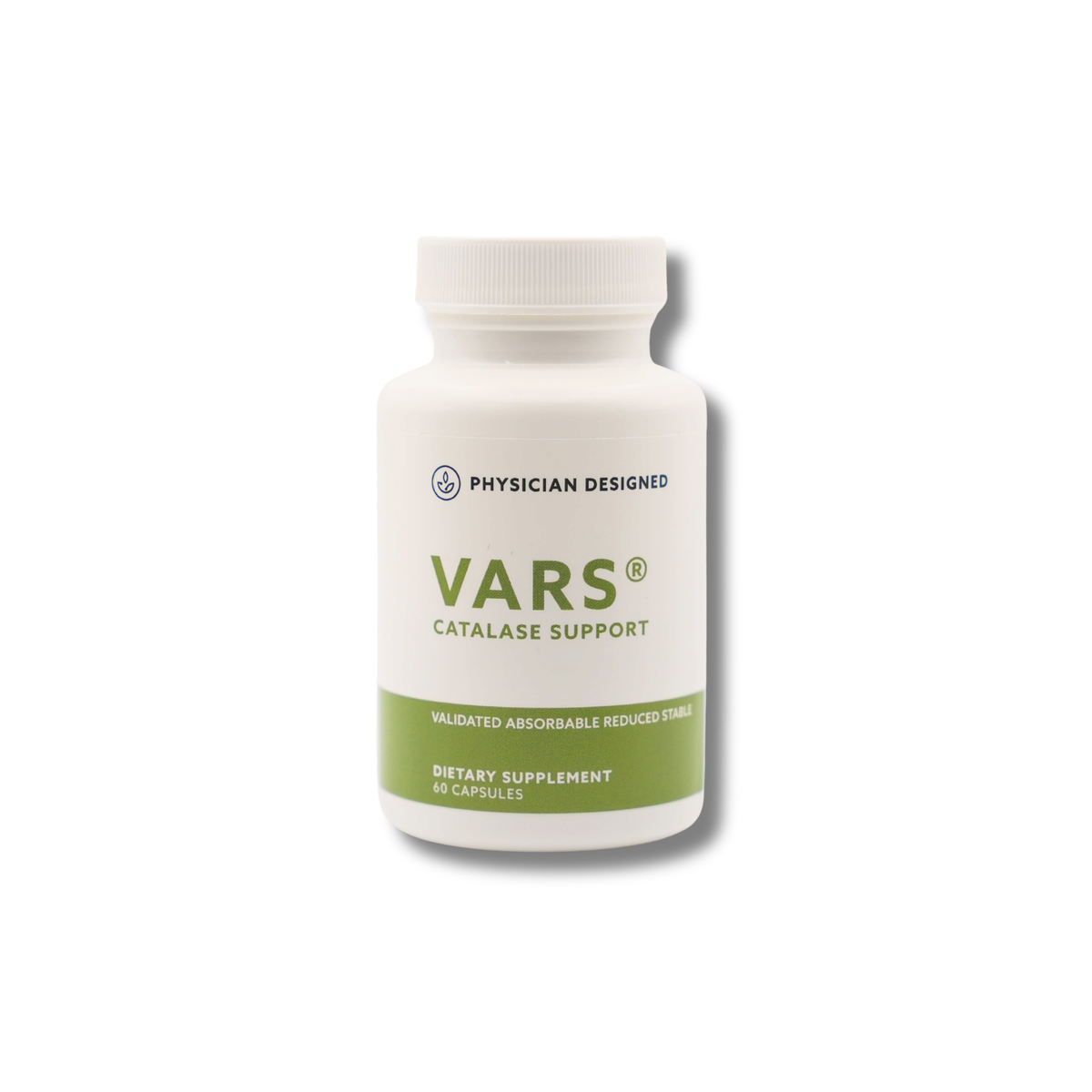 PHYSICIAN DESIGNEDVARS Catalase SupportProduct information & ingredientsView productPHYSICIAN DESIGNEDMTHFR DailyProduct information & ingredientsView productTESTING & CONSULTATIONGenetic testing + consultationExplore the available testing bundlesExplore testing
Product and testing details from our practice and shop. Discuss what fits your needs with your clinician. Current labels, availability and pricing are shown on the linked pages.