The idea to explore
Explore the chapter’s discussion of topical and transdermal glutathione delivery associated with Glutaryl.
Follow the connections
The source examines formulation, skin delivery and possible applications, contrasting them with other ways of administering glutathione. Search connections include skin health, antioxidant research and bioavailability. A finding about one preparation or route should not automatically be transferred to another.
Topical and transdermal are different claims
A product placed on the skin is topical; a claim of delivery through the skin asks a further question about penetration and absorption. The chapter discusses delivery technology, but a description of the technology does not answer every question about dose reaching a target tissue. Comparisons also need to specify whether researchers measured skin effects, blood levels or a clinical outcome. Results from one route should not automatically be applied to another.
Reading with perspective
This chapter discusses product development and the author’s interpretation of patents. It is not an independent verification of patent status, comparative absorption or disease-treatment claims. Patent discussion alone is not clinical evidence of benefit.
A question for your next conversation
What was measured after application: a skin effect, absorption or a clinical outcome?
LET YOUR CURIOSITY LEAD
One idea opens another.
Choose a subject to find the related teaching across videos, articles, courses and references.
About this reading
Chapter 35: The Revolutionary Advancements in Glutathione Delivery- A Focus on the Glutaryl Patent by Dr. Nayan Patel and Dr. Chinh Tranh
Homocysteine chapter collection supplied by Purser Wellness.
This page combines an editorial adaptation with introductory explanations and links to the reference library, prepared September 17, 2026. Search covers the published explanations and topic names, not the full original document. Original files, patient examples and individualized protocols are not published here. This adaptation has not received an independent clinical review.
PURSER WELLNESS · PRACTICE & SHOP
Explore your next step.
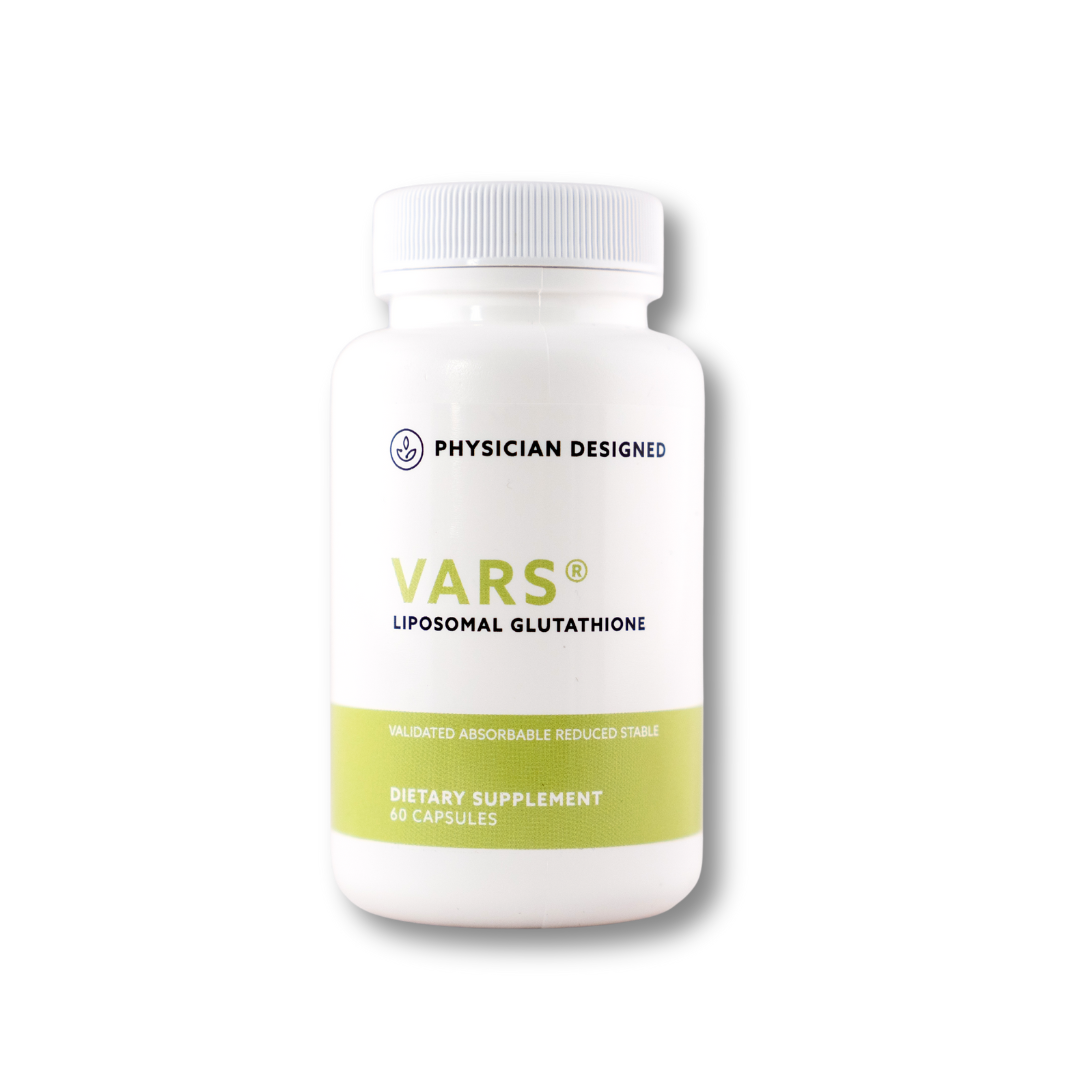 PHYSICIAN DESIGNEDVARS Glutathione CapsulesCapsule product informationView product
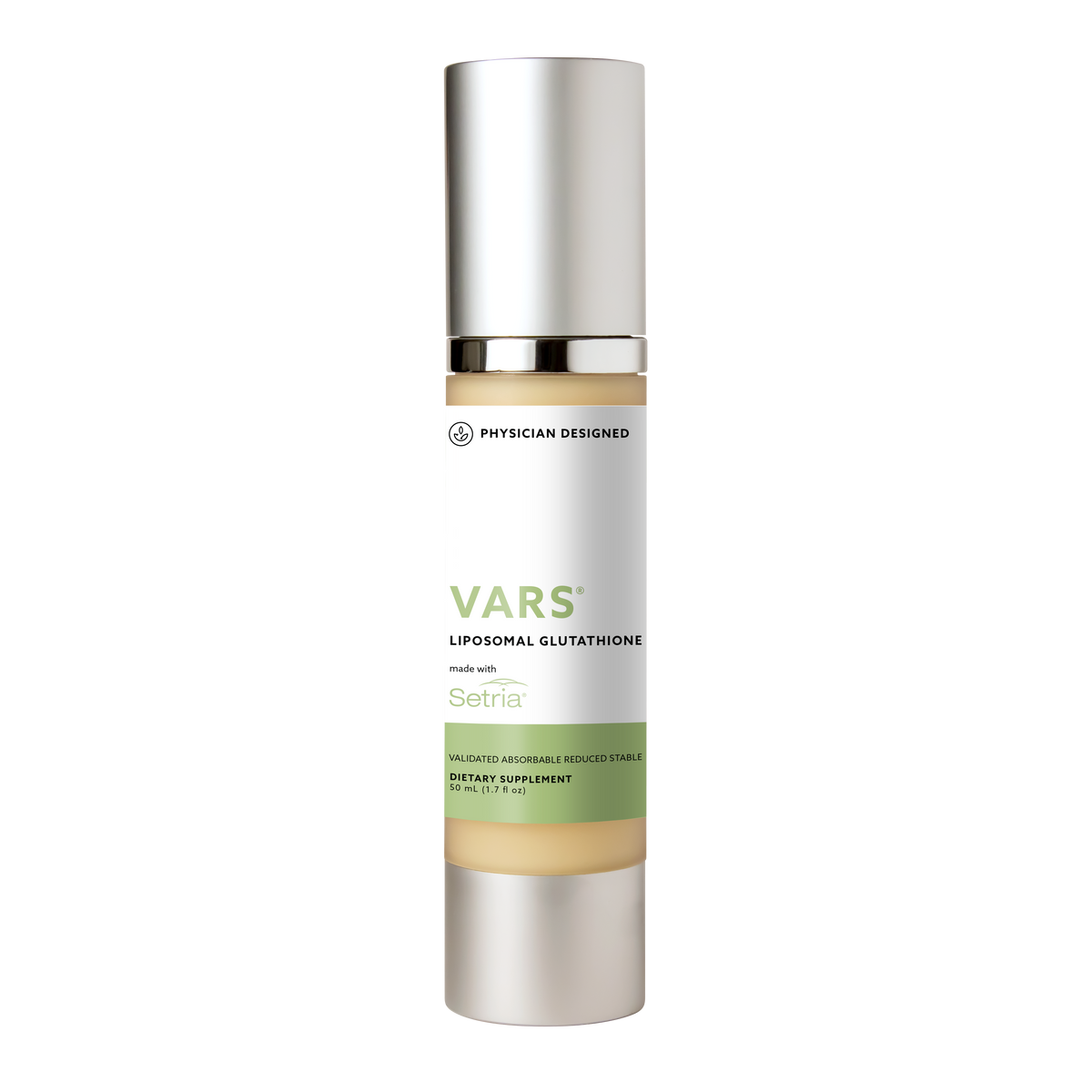 PHYSICIAN DESIGNEDVARS Liposomal GlutathioneLiquid product informationView product
Product and testing details from our practice and shop. Discuss what fits your needs with your clinician. Current labels, availability and pricing are shown on the linked pages.