The idea to explore
A guide to the subjects discussed in Natural Therapies for Autism: Updates on the Research, published in 2015.
Follow the connections
The book explores mitochondrial energy production, cellular signaling, oxidative stress and nutritional ideas in the author’s framework. It explains ATP and mitochondrial functions as a foundation for that discussion. This overview provides search routes into those concepts without reproducing treatment regimens for children or individual family stories.
A biological explanation is a starting question
The book uses mitochondria and cellular energy as a foundation for its discussion. Mitochondria participate in energy production and other cellular processes; ATP is a molecule used in cellular energy transfer. Explaining those functions does not establish that mitochondrial dysfunction is the cause of every autistic person’s experience. Research into a biological subgroup also cannot be generalized automatically to everyone. Keep the individual person’s needs and goals in view when reading broad theories.
Reading with perspective
This historical discussion does not establish a single cause of autism, a supplement cure or a replacement for individualized developmental support. Proposed biochemical mechanisms are not proof that a treatment is effective for an autistic person.
A question for your next conversation
Was this finding demonstrated in a defined subgroup, and does it address a meaningful goal for this person?
LET YOUR CURIOSITY LEAD
One idea opens another.
Choose a subject to find the related teaching across videos, articles, courses and references.
About this reading
Natural Therapies for Autism: Updates on the Research
Book supplied by Purser Wellness · 2015.
This page combines an editorial adaptation with introductory explanations and links to the reference library, prepared September 17, 2026. Search covers the published explanations and topic names, not the full original document. Original files, patient examples and individualized protocols are not published here. This adaptation has not received an independent clinical review.
PURSER WELLNESS · PRACTICE & SHOP
Explore your next step.
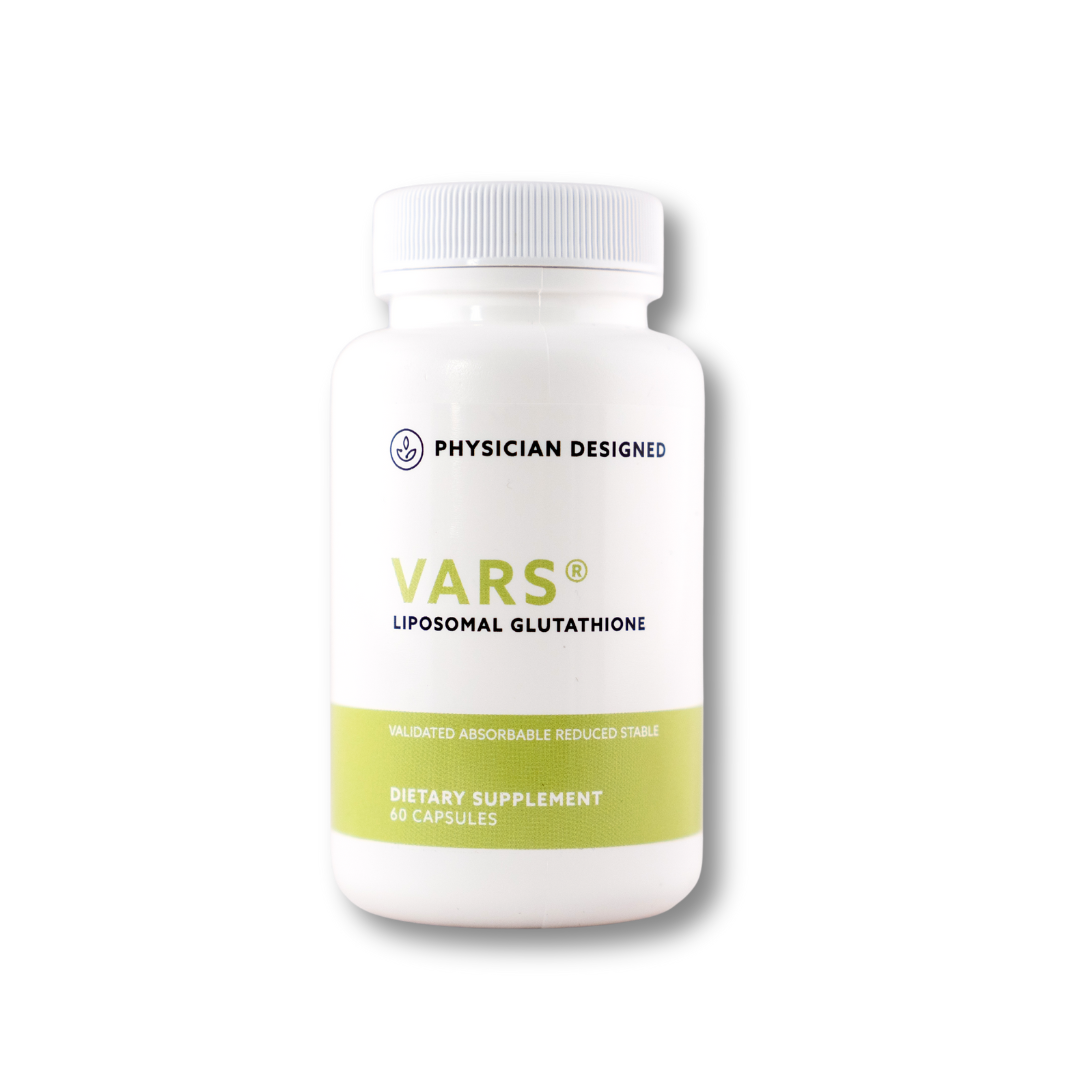 PHYSICIAN DESIGNEDVARS Glutathione CapsulesCapsule product informationView product
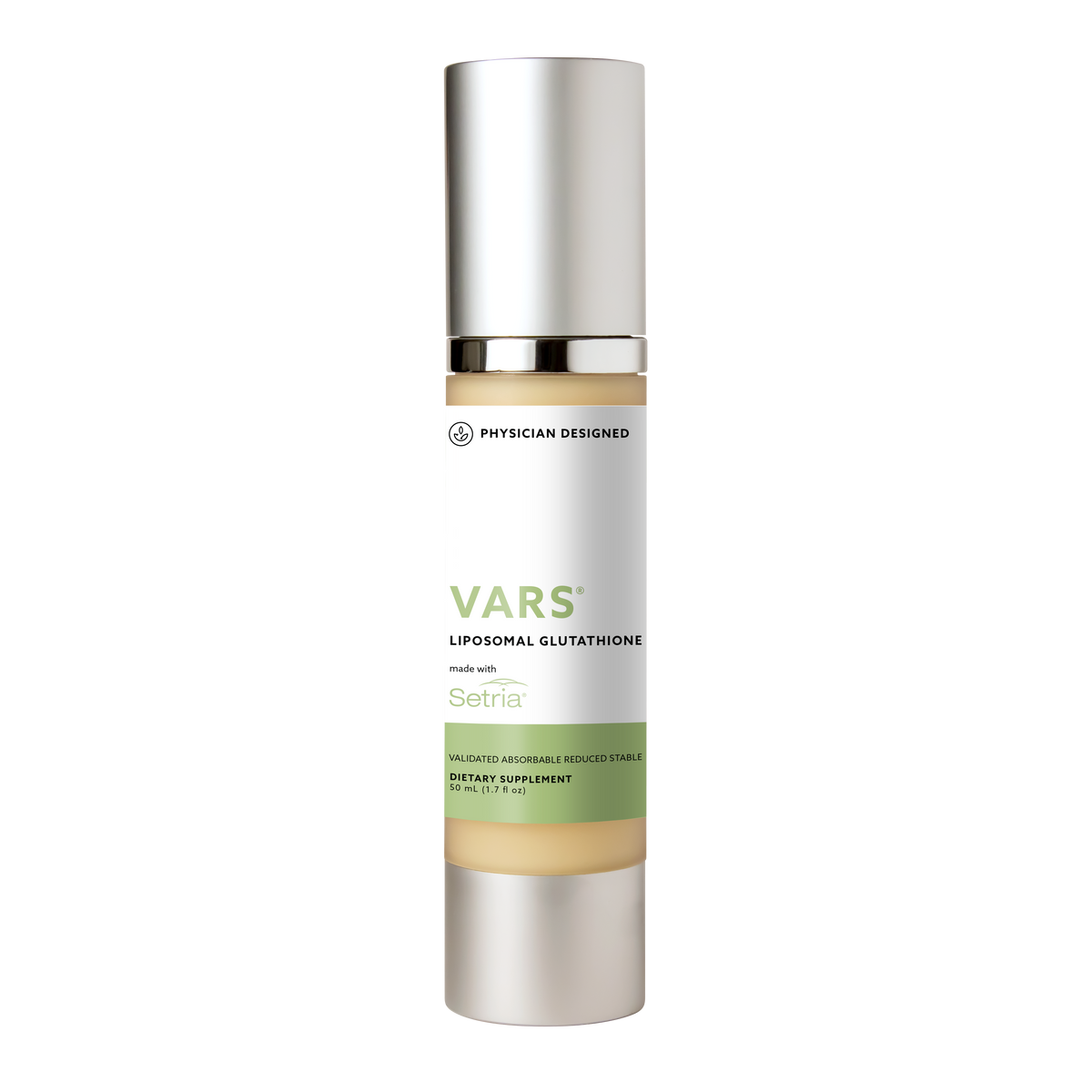 PHYSICIAN DESIGNEDVARS Liposomal GlutathioneLiquid product informationView product
Product and testing details from our practice and shop. Discuss what fits your needs with your clinician. Current labels, availability and pricing are shown on the linked pages.