Press Play to watch. If the original uses a different shape, use Wide or Tall. If playback is unavailable or asks you to sign in, use the original link.
From the original social post
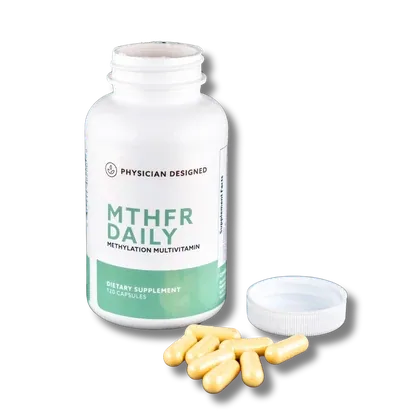
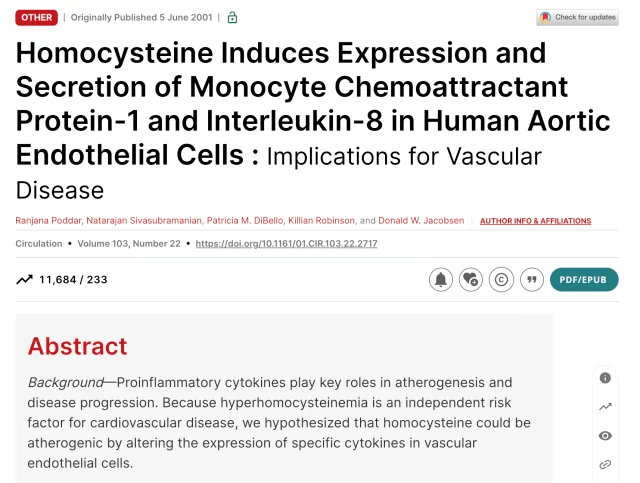
High homocysteine often shows up first as widespread inflammation—pain all over, poor circulation, or even early warning signs of cardiovascular problems like stroke and heart attack. The best way to know for sure is through testing: a blood test can measure homocysteine directly, while a CMA with Redox uncovers the vitamin deficiencies driving it. For genetic causes, the DRP Genetics panel screens 15–16 of the 17 known SNPs that can cause permanently high homocysteine. If your levels are fixed by genetics, reduced glutathione and targeted B vitamins (like MTHFR Daily) are key to balancing the cytokines and deficiencies that come with it.
Search includes the written post or caption. Open the original post above for pictures or video. Words spoken in the video or printed inside an image may not appear in search.
Makes an enzyme that helps produce a form of folate used in the processing of homocysteine. Common variants are different from rare variants that cause severe MTHFR deficiency.
Most people have never heard of homocysteine , yet this small molecule may hold the key to understanding inflammation, cardiovascular disease, neurological problems, and many chronic conditions. For decades, homocysteine was viewed as a toxic substance in the blood. Doctors were taught that lowering it with B-vitamins might reduce heart disease risk. But research results were inconsistent, leaving many physicians unsure whether homocysteine truly mattered. New research and clinical observations are changing that view. We introduce a new framework called the Purser Model , which explains why ho