Understanding Your CMA with Redox Results: What Those Two Pages Actually Mean
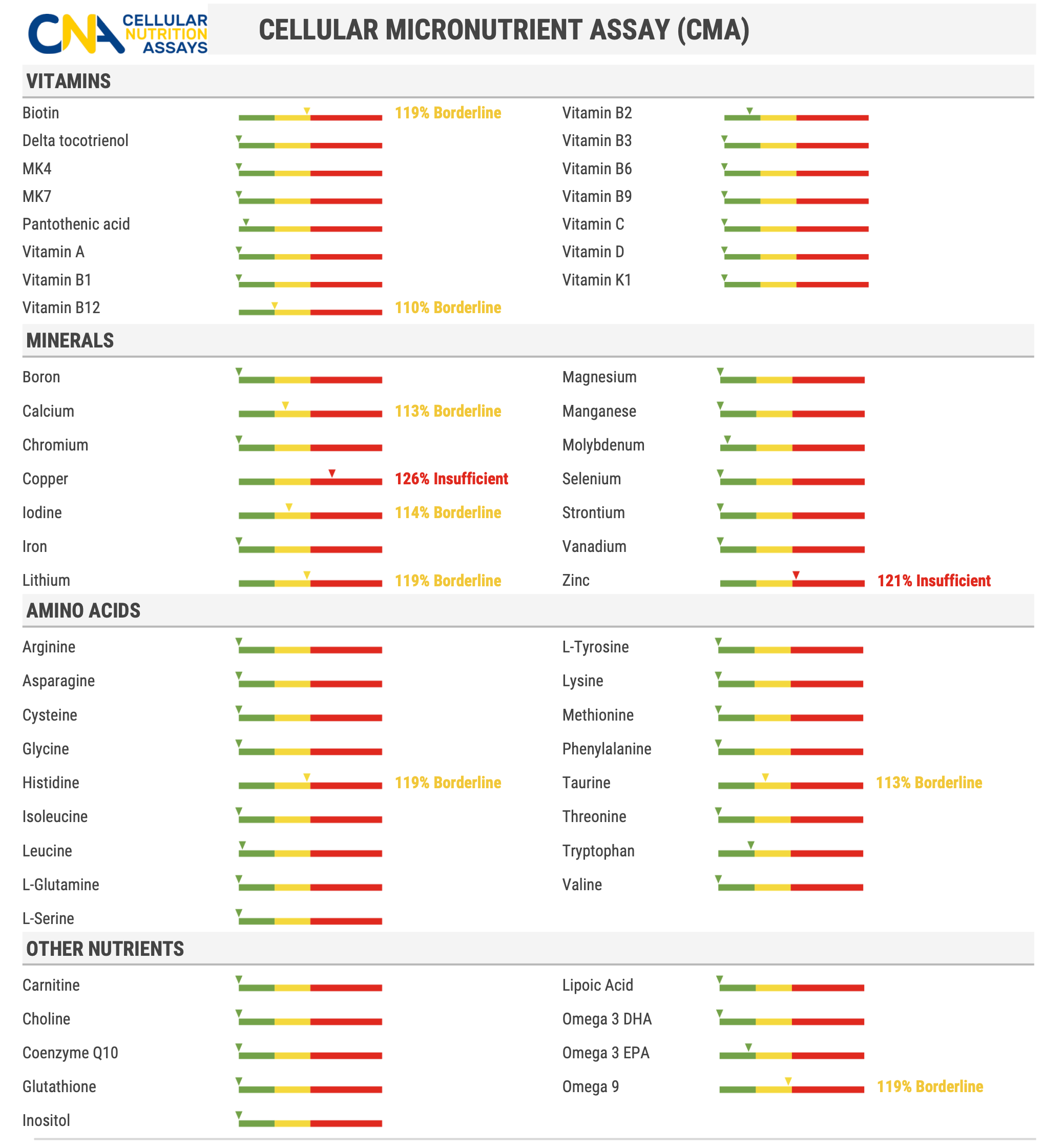
In the titleIf you’ve had our Cellular Micronutrient Assay (CMA) with Redox testing, chances are you’ve looked at those two pages of results and thought, “Okay... now what does all this actually mean?” You’re not alone. This is one of the questions I hear most often from patients.
Let me walk you through exactly what each page shows, how the test works, and why these results are so powerful for creating a truly personalized plan to help you feel your best.
Understanding Your CMA with Redox Results: What Those Two Pages Actually Mean
In the titleA post from Purser Wellness on Substack, covering inflammation and antioxidants, testing and nutrients.
Everything You Need To Know About Glutathione And The Redox Cycle
In the titleDr. Dan Purser literally writes out what glutathione is, why it is important to your body and your cells, and the difference between the useless oxidized version of glutathione (GSSG) and the functional version of glutathione (GSH).
Contact us at (801) 796-7667 or info@danpursermd.com for help. Subscribe to stay up-to-date with new content!
Intracellular vs. Serum Nutrient Testing: Is More Data Actually Better?
In the descriptionDan and Jackson discuss serum testing, intracellular nutrient results, REDOX, and the questions each kind of test addresses.
How To Know If You Have High Homocysteine?
In the descriptionHigh homocysteine often shows up first as widespread inflammation—pain all over, poor circulation, or even early warning signs of cardiovascular problems like stroke and heart attack. The best way to know for sure is through testing: a blood test can measure homocysteine directly, while a CMA with Redox uncovers the vitamin deficiencies driving it. For genetic causes, the DRP Genetics panel screens 15–16 of the 17 known SNPs that can cause permanently high homocysteine. If your levels are fixed by genetics, reduced glutathione and targeted B vitamins (like MTHFR Daily) are key to balancing the
Treat Root Cause Symptoms?
In the descriptionTired, foggy, low hormones, and nothing helps? It’s probably not magic—it’s nutrient deficiency. Dr. Purser uses CMA with Redox testing to go deeper than your average doctor ever will. He sees severe lipoic acid, biotin, PQQ, and lithium deficiencies causing symptoms that mimic dementia, thyroid issues, or low testosterone. It’s not “manopause”—it’s vitaminopause. Find the root cause, don’t just chase prescriptions.
The Hidden Molecule Driving Inflammation: Understanding the Purser Model of Homocysteine
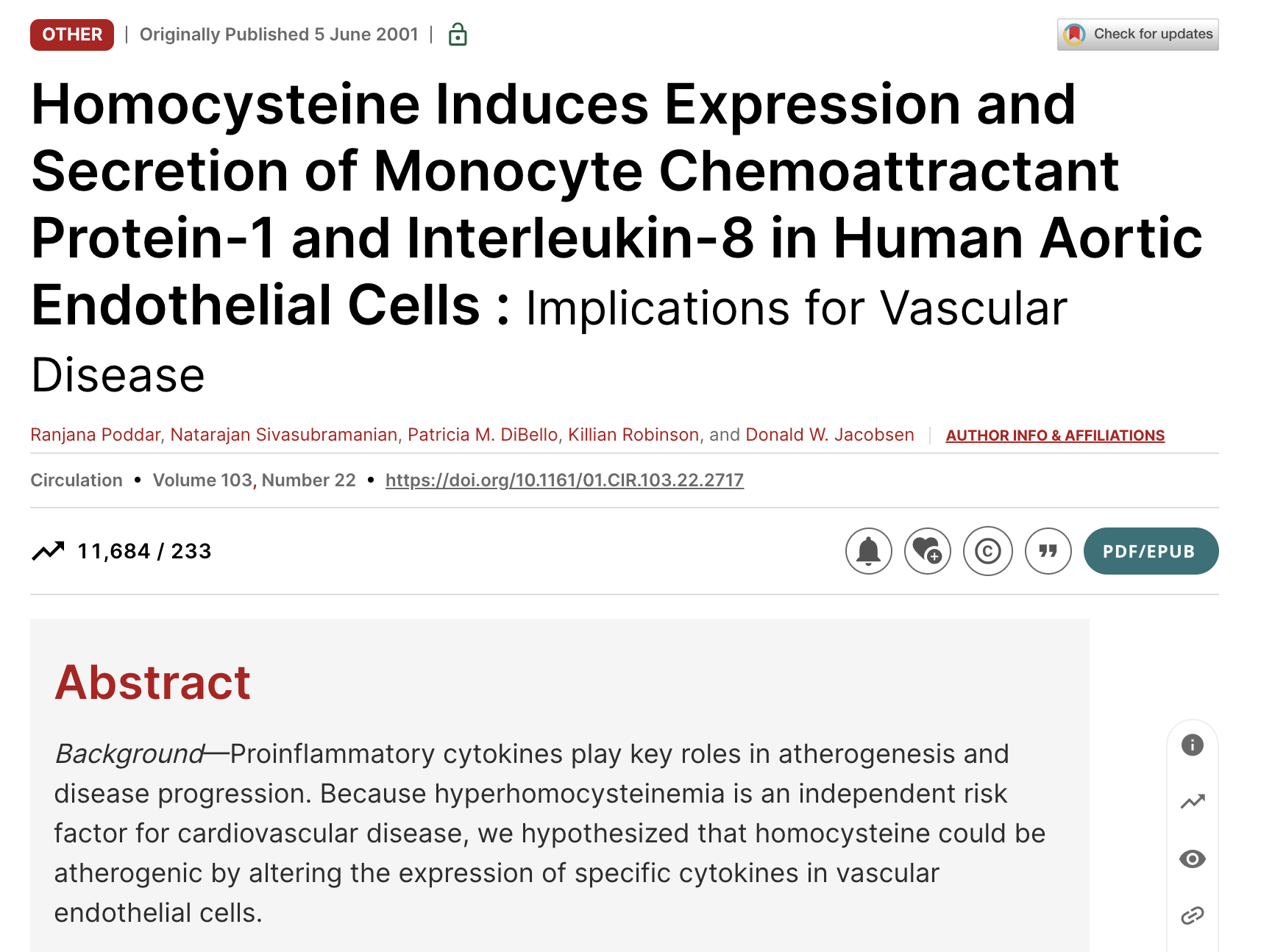
In the article…es affect pathways involving:
methylation
folate metabolism
redox balance
the transsulfuration pathway
glutathione production
When certain variants occur in a homozygous state, they can significantly increase a person’s baseline homocystein…
The Role of Glutathione in Disrupting Biofilms
In the article… K, Baldelli S, Ciriolo MR. 2014. Glutathione: new roles in redox signaling for an old antioxidant. Frontiers in Pharmacology 5.
Das T, Simone M, Ibugo AI, Witting PK, Manefield M, Manos J. 2017. Glutathione Enhances Antibiotic Efficiency a…
The Only Usable Form of Glutathione Is Reduced Glutathione (GSH)!
In the article…functions related to its role in the regulation of cellular redox status. The largest amount of cellular GSH is located in mitochondria.
As mentioned above, GSH is synthesized only in the cytosol and is transported into intracellular organe…
Search covers published titles, descriptions, and available article text. Substack subscriber titles and public summaries are included; full subscriber content opens on Substack. Video transcripts are added when available.