Do genetics cause vitamin deficiencies? This is a question we get very often. If the gene snips that you have have the potential to cause deficiencies. Absolutely. Yes. Uh that's one of the main things that we deal with with all of our pati…
This report overview covers dimethylarginine dimethylaminohydrolase 1 (DDAH1), asymmetric dimethylarginine (ADMA), nitric oxide, blood vessels, and the cardiovascular pathways discussed in the source.
The genetic test everyone recommends isn't necessarily the genetic test you need.
With dozens of companies promising life-changing insights, how do you separate meaningful data from expensive noise?
Are some genetic tests providing real a
🙏 A Big Thank You to Our Purser Wellness Family!
As a special thank you, we’re offering $50 off your next round of CMA testing or genetic testing through DanPurserMD.com!
Use code: FBPurserWellness
(You can apply it right on the website
👋 Ever stared at your lab results and thought, “What am I even looking at here?”
We hear that all the time with our CMA with Redox testing. Patients get TWO pages of results, and without a clear explanation it can feel overwhelming.
In th
Not all genetic tests are created equal. Many only scratch the surface, while the best panels look at hundreds of SNPs that impact methylation, detox, hormones, and nutrient absorption. For real results, you need a test that’s private, comprehensive, and clinically useful—like the ones we recommend in practice that help guide targeted treatment plans.
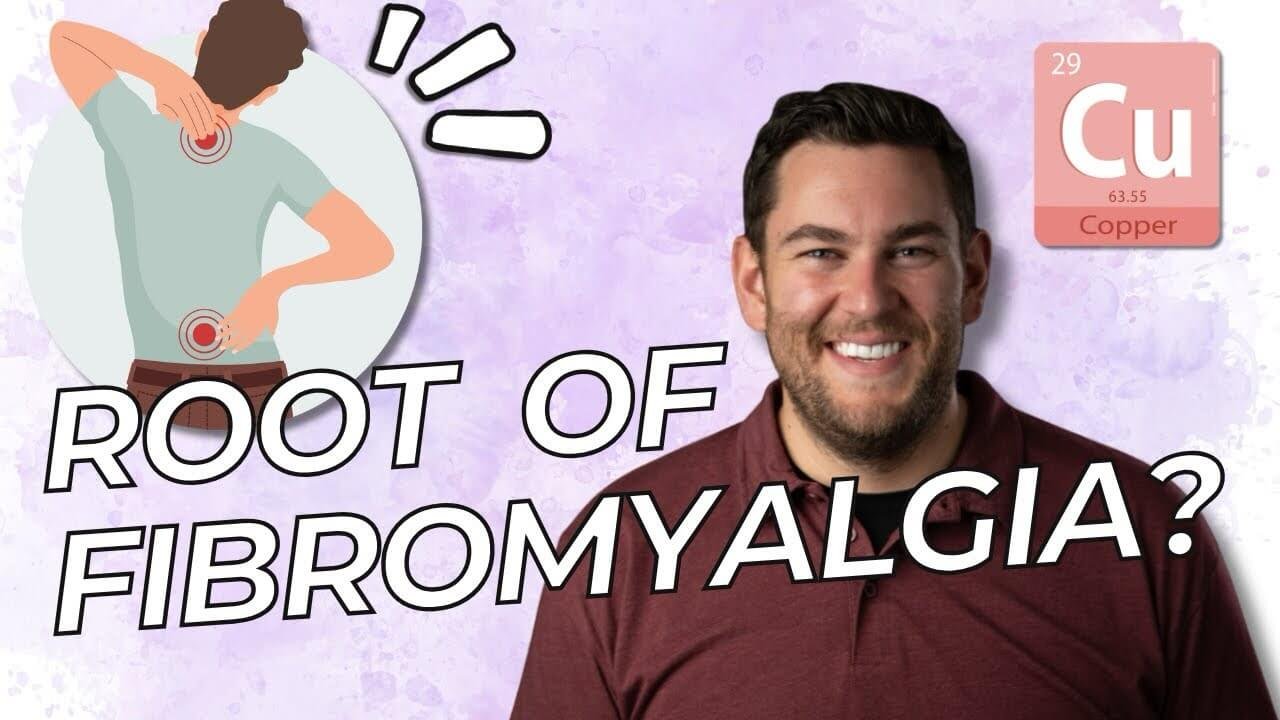
The real root of fibromyalgia? It’s not just pain — it’s copper. We’ve uncovered that fibromyalgia is often driven by genetic mutations (like CBS, GAD1, GAD2) that affect how your body handles copper. The copper builds up in your blood but never makes it into your cells — leading to widespread pain, inflammation, and migraines.
Homocysteine is nasty — but here’s the truth no one tells you. It doesn’t kill you directly — it triggers white blood cells to release IL-8 and MCP-1, causing inflammation, kidney failure, heart attacks, and strokes. Most doctors don’t even check it anymore, thinking there’s no fix. But there is. Whether from 17 genetic SNPs or 12 vitamin deficiencies (like B6 or B12), you can address it by supporting your body’s ability to convert homocysteine into glutathione.
Struggling with high blood pressure that just won’t budge—even with multiple meds? It might be due to genetic issues causing high homocysteine , which can stiffen your arteries through IL-8 and MCP-1 cytokines.
High homocysteine levels can lead to inflammation, joint and muscle pain, and even shifting pain throughout the body. It’s also linked to birth defects and chronic kidney failure, and can raise blood pressure. Six genetic SNPs (like MTR, MTRR, and CBS) and MTHFR mutations (like C677T) can prevent homocysteine from converting into glutathione, which is essential for keeping inflammation in check. Plus, 12 vitamin deficiencies may temporarily raise homocysteine levels, so addressing these deficiencies is key.
Best match puts all-term matches before partial matches and related reading. Identical social posts and matching long titles across other sources are grouped when access is the same. Search covers published titles, descriptions, available article text, report overviews, and the full text of the nutrient, gene and learning-essential reference pages. Books, uploaded chapters and downloads-page reports are searchable through selected editorial guides and topic names; the original files and full book text are not published. Full Drive reports are not copied into search. Substack subscriber titles and public summaries are included; full subscriber content opens on Substack. Video transcripts are added when available.