Press Play to watch. If the original uses a different shape, use Wide or Tall. If playback is unavailable or asks you to sign in, use the original link.
From the original social post
Genetic mutations like MTHFR, FOLR1, FOLR2, and VDR TAQ don’t just sit there—they cause vitamin deficiencies by blocking absorption or increasing your body’s need for key nutrients. 🧬 That’s why intracellular testing is so critical—it shows you exactly where you’re deficient, long before major symptoms set in. If you’re always tired, inflamed, or struggling despite a good diet, your genes might be the missing link.
Search includes the written post or caption. Open the original post above for pictures or video. Words spoken in the video or printed inside an image may not appear in search.
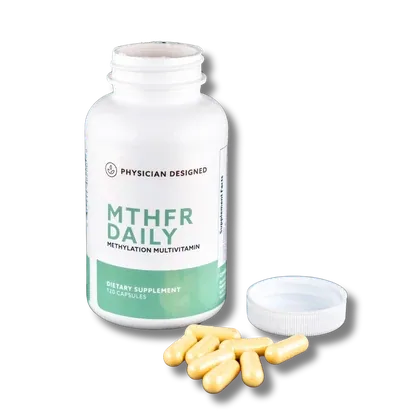
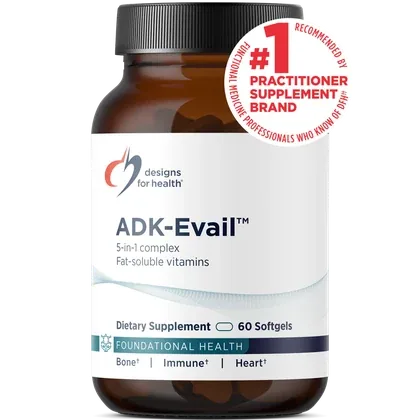
Compare the products below, including their ingredients and available forms. Your care team can help you choose one or more options for your needs.
COMPARE YOUR OPTIONS
Methylation support
Dr. Purser discusses these supplements in relation to FOLR1.
MTHFR Daily and Hydroxy B12 + Folinic Acid are alternatives. Your folate, vitamin B12, and genetic results can help your clinician choose between them.
Makes an enzyme that helps produce a form of folate used in the processing of homocysteine. Common variants are different from rare variants that cause severe MTHFR deficiency.
VDR encodes the vitamin D receptor, which helps regulate gene activity in response to active vitamin D. A receptor variant does not by itself mean receptors are absent or that the blood vitamin D level is low.
FOLR1 encodes folate receptor alpha, which helps cells take up folate and has an important role in folate transport at the brain’s barriers. Blood folate and folate availability in the nervous system are not identical measurements.
FOLR2 encodes folate receptor beta, a folate-binding protein expressed in particular cell types, including subsets of immune cells. It is distinct from the FOLR1 receptor and the SLC19A1 reduced folate carrier.