THE TEACHING CONNECTION
An eosinophil-focused cytokine
An eosinophil-focused cytokine
IL5 encodes interleukin-5, a cytokine important to eosinophil growth, survival and activation. Eosinophils are involved in selected allergic and other inflammatory conditions.
How Dr. Purser connects the pieces
Dr. Purser connects IL-5 with hay fever and allergic rhinitis and considers how allergic activity can add to a broader inflammatory burden. Blood eosinophil counts, symptom timing and clinical assessment add information that an IL5 marker does not provide.
Where the VARS Triad and MTHFR Daily fit
In Dr. Purser’s treatment framework, the VARS Triad—VARS Glutathione, VARS SOD and VARS Catalase—together with MTHFR Daily is a central consideration when homocysteine or cytokine issues are involved. He emphasizes VARS Glutathione as a foundational functional-support component across his genetic SNP teaching. The individual gene lesson explains how its pathway connects to that broader approach.
This describes the Purser treatment model, not proof that a product corrects a variant or treats every associated condition. Product choice, formulation, sequence and amount depend on the individual assessment, existing medicines, current findings and tolerance.
A question to bring to your visit
Do my symptoms and eosinophil findings support an allergic or eosinophilic pattern?
Variant lookup
These teaching identifiers include regional research markers. Match them to your original laboratory report; listing alone does not establish clinical significance or a treatment need.
Names you may see
IL-5 · Interleukin 5
PURSER WELLNESS · PRACTICE & SHOP
Explore your next step.
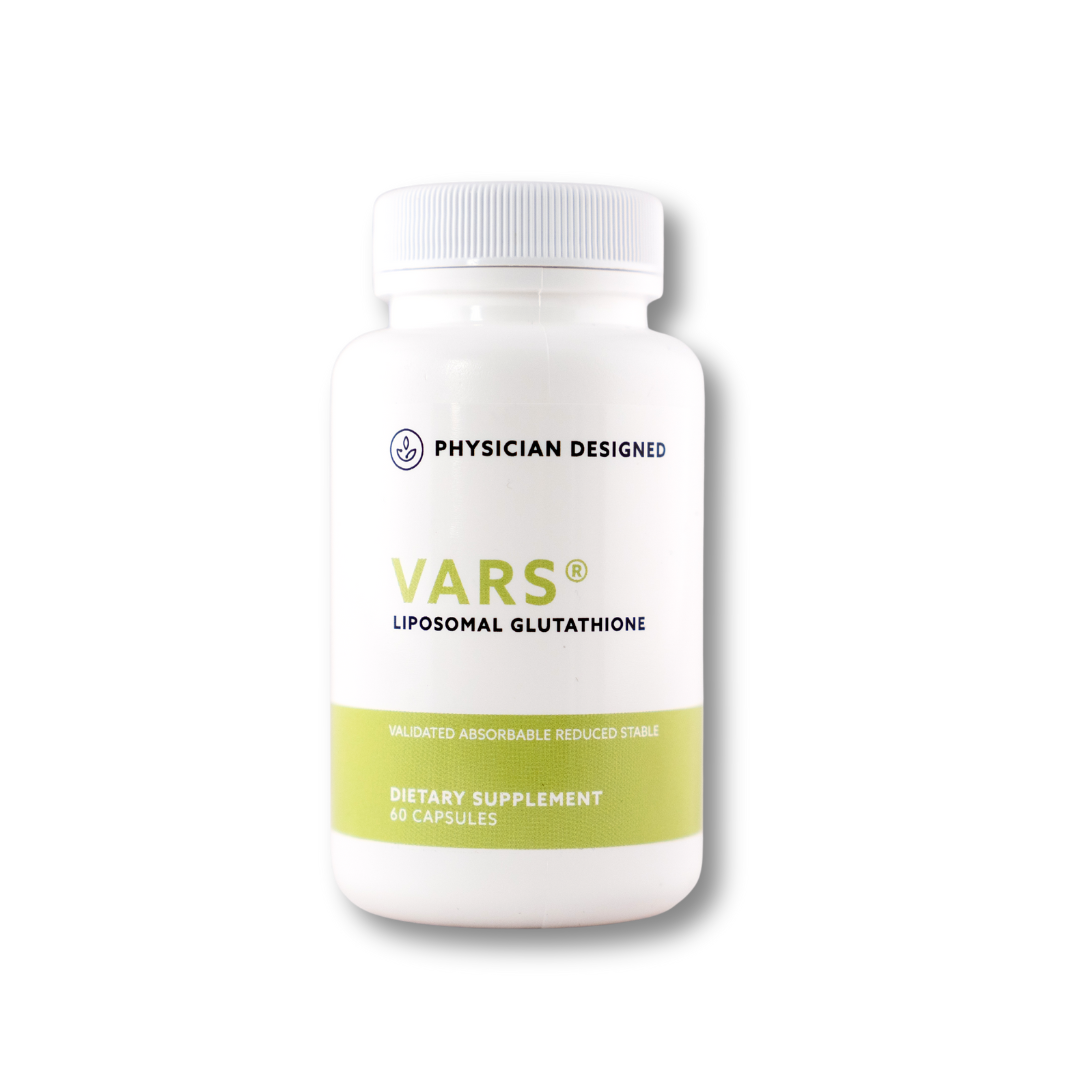 PHYSICIAN DESIGNEDVARS Glutathione CapsulesCapsule product informationView product
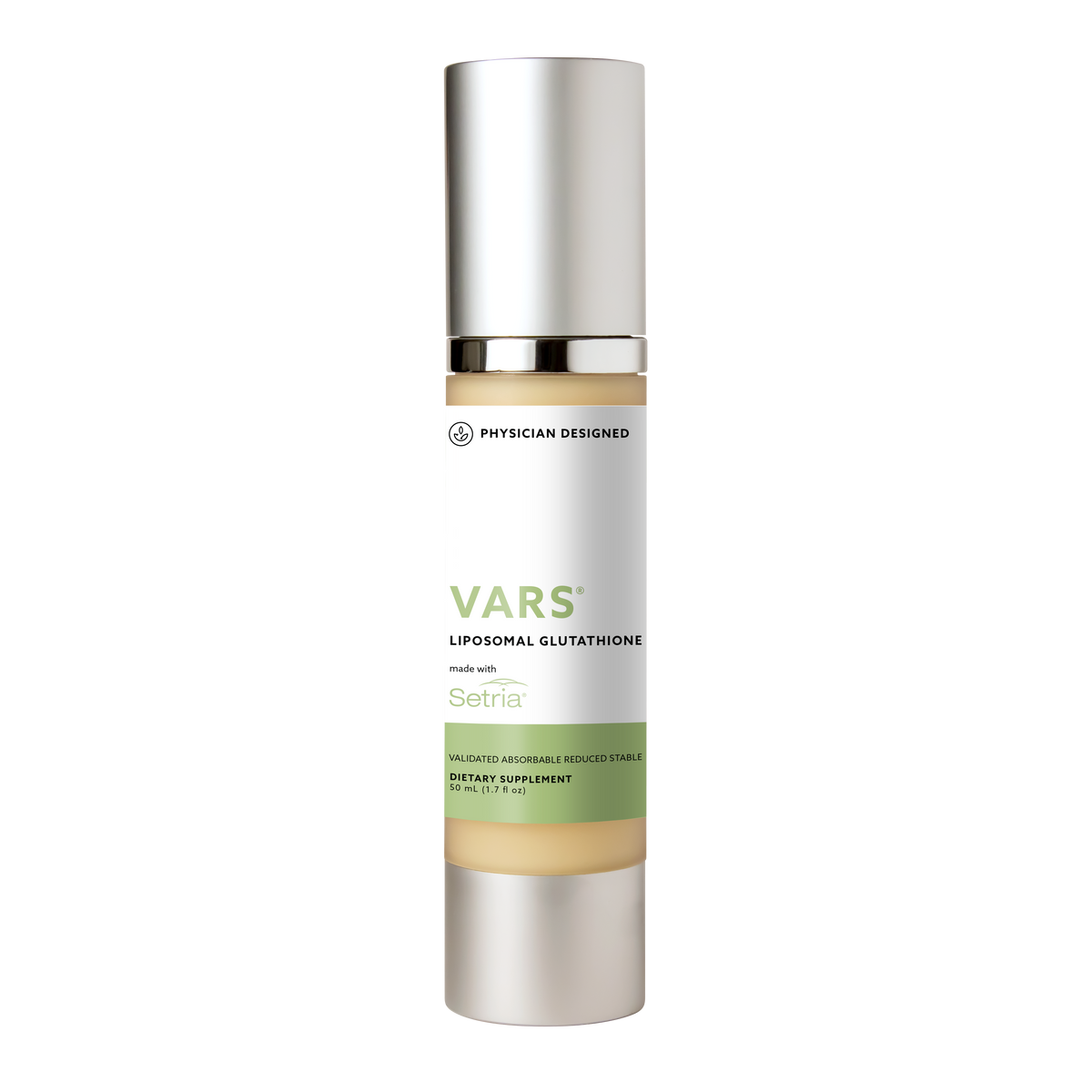 PHYSICIAN DESIGNEDVARS Liposomal GlutathioneLiquid product informationView product
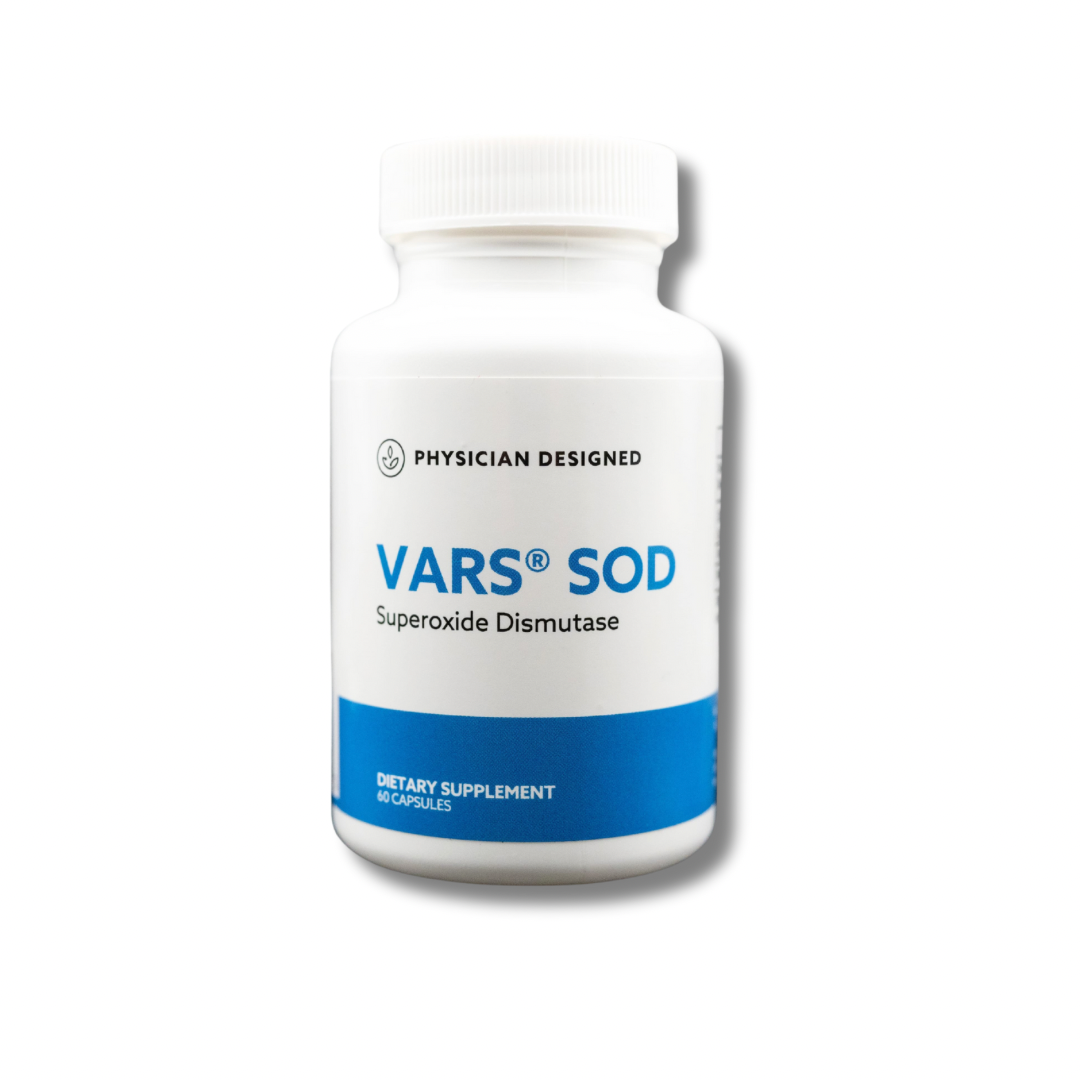 PHYSICIAN DESIGNEDVARS SODFormerly SOD BoosterView product
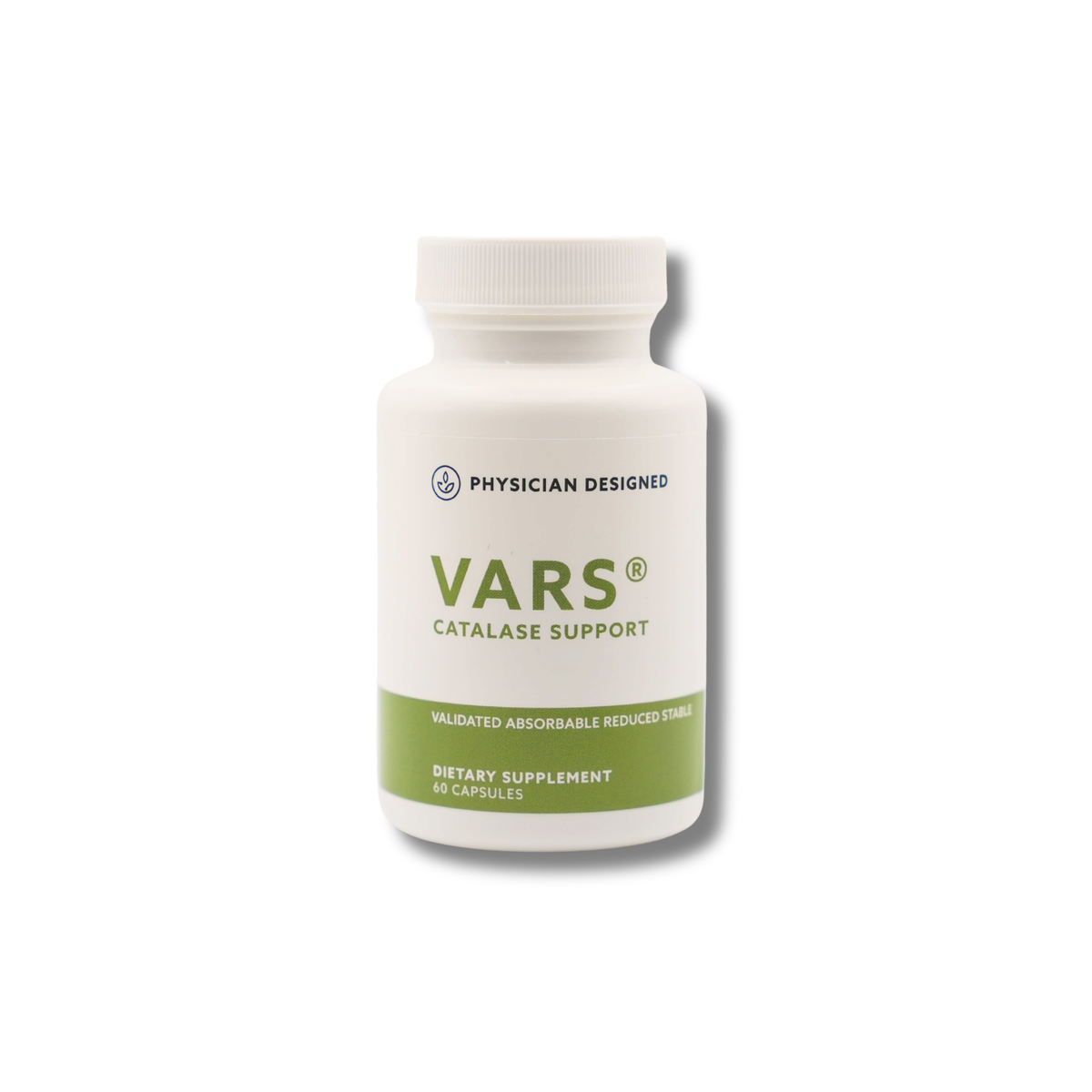 PHYSICIAN DESIGNEDVARS Catalase SupportProduct information & ingredientsView productPHYSICIAN DESIGNEDMTHFR DailyProduct information & ingredientsView productTESTING & CONSULTATIONGenetic testing + consultationExplore the available testing bundlesExplore testing
Product and testing details from our practice and shop. Discuss what fits your needs with your clinician. Current labels, availability and pricing are shown on the linked pages.